By Ava Bennett
Most high-performance electric vehicles rely on traction motors packed with neodymium, dysprosium, and other costly rare-earth permanent magnets. Seeking a cleaner alternative, young engineer Robert Sansone developed a novel synchronous reluctance electric motor that eliminates permanent magnets entirely while generating nearly 40 percent more torque than conventional reluctance architectures.
The Environmental And Supply Chain Cost Of Rare Earths
Permanent-magnet synchronous motors dominate modern electric vehicle drivetrains because rare-earth elements produce exceptionally strong magnetic fields in compact packages. However, mining and refining neodymium and dysprosium generate toxic chemical tailings, radioactive wastewater, and heavy carbon emissions.
Concentrated global supply chains also expose automakers to severe price volatility, costing up to hundreds of dollars per kilogram for refined magnet alloys. Recycling glued permanent magnets from end-of-life traction rotors remains complex and energy-intensive across automotive scrap yards.
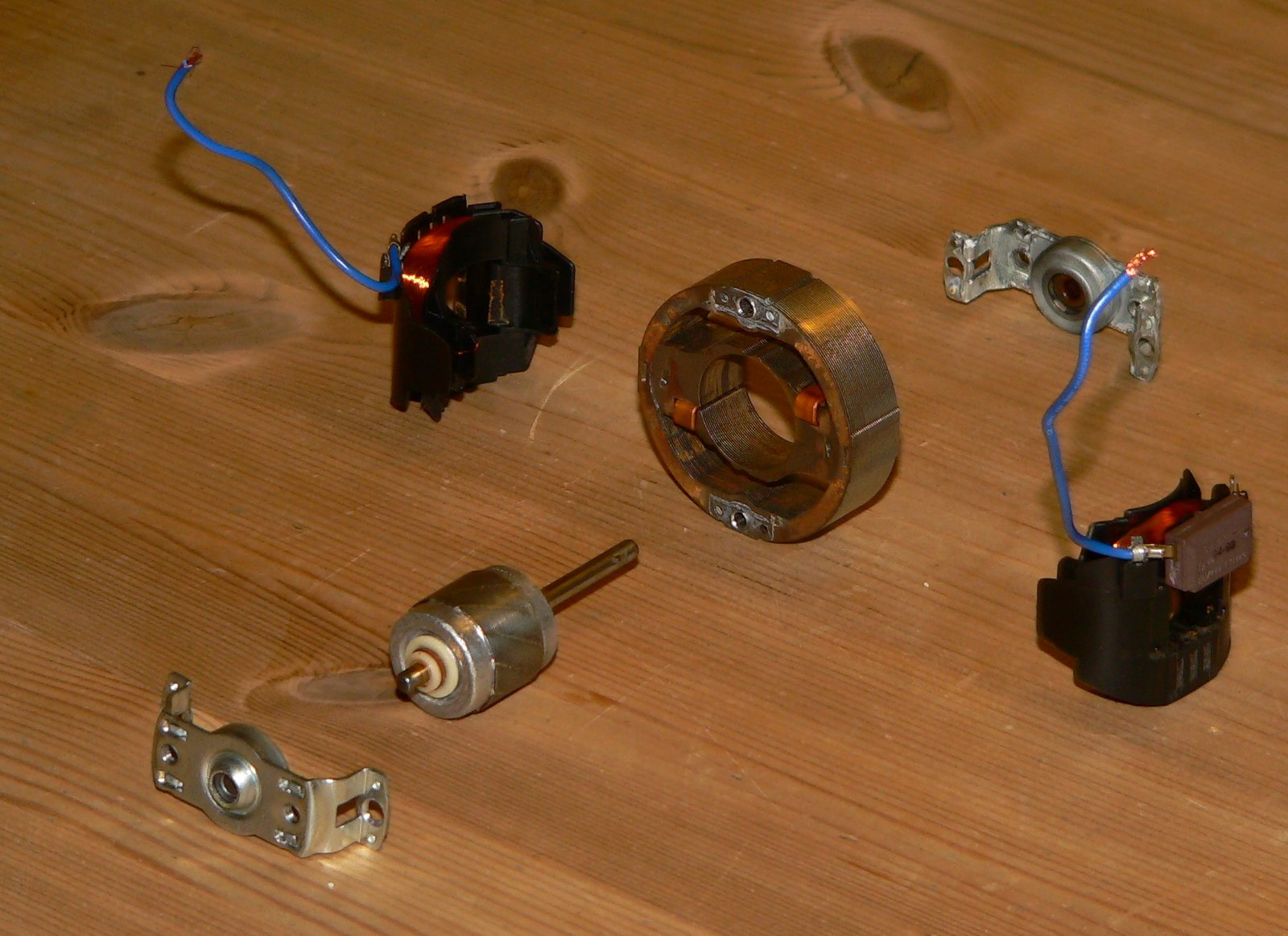
Conventional synchronous reluctance motors bypass rare-earth metals by using a slotted steel rotor that aligns with rotating electromagnetic fields inside the stator. Yet standard air-gap cutouts weaken the rotor structurally and fail to generate enough torque density for highway-capable passenger cars.
Replacing Rotor Air Gaps With Dual Magnetic Fields
Working through more than 60 hours of research and 15 iterative prototypes, Florida inventor Robert Sansone reimagined the physics of reluctance torque. Instead of carving hollow air barriers into a laminated steel rotor, he incorporated a secondary rotating magnetic field directly into the motor geometry.
Eliminating internal air slots increases the motor’s saliency ratio—the difference in magnetic conductivity between its direct and quadrature axes. A higher saliency ratio translates directly into stronger rotational pull across the electromagnetic stator coils without requiring permanent rare-earth magnets.
Bench testing at 300 to 750 revolutions per minute revealed that the prototype delivered 39 percent greater torque and 31 percent higher efficiency than a baseline synchronous reluctance motor. At 750 revolutions per minute, its efficiency climbed to 37 percent before heat-sensitive plastic test parts limited higher speeds.
Sensors monitoring stator current and shaft torque confirmed that the solid ferromagnetic rotor core channeled magnetic flux with significantly lower leakage losses. Removing thin steel bridges around traditional air slots also eliminates mechanical stress points that normally deform under high centrifugal loads.
Scaling Magnet-Free Drivetrains For Mass-Market EVs
While the award-winning prototype was constructed from 3D-printed polylactic acid plastic, copper wire coils, and a steel rotor, its electromagnetic architecture scales directly to industrial metals. Replacing printed polymer housings with precision-machined aluminum and laminated silicon steel will unlock the high rotational speeds required for automotive axles.
Automotive suppliers and motor engineers are increasingly prioritizing magnet-free traction systems as global electric vehicle production scales toward tens of millions of units annually. Breakthroughs in electric drivetrain technology prove that common copper and steel can rival rare-earth assemblies when paired with smarter flux geometry.
Eliminating permanent magnets also prevents back-electromotive drag when a vehicle coasts at highway speeds, improving overall battery range between charges. In addition, magnet-free rotors cannot suffer irreversible thermal demagnetization during sustained mountain hill climbs or high-load towing.
Once validated at higher revolutions per minute and patented for commercial licensing, high-saliency synchronous reluctance motors could slash battery-electric powertrain costs. Freeing electric cars from neodymium mining ensures clean transportation remains sustainable from factory floor to highway.