By Ava Bennett
A landmark clinical investigation has achieved an unprecedented medical milestone after every single participant experienced complete tumor disappearance following targeted antibody therapy. Eighteen patients diagnosed with locally advanced rectal cancer saw their malignancies vanish entirely through immunotherapy alone, sparing them from debilitating radiation, harsh chemotherapy, and life-altering reconstructive surgery.
Unmasking Mismatch-Repair-Deficient Tumors with PD-1 Blockade
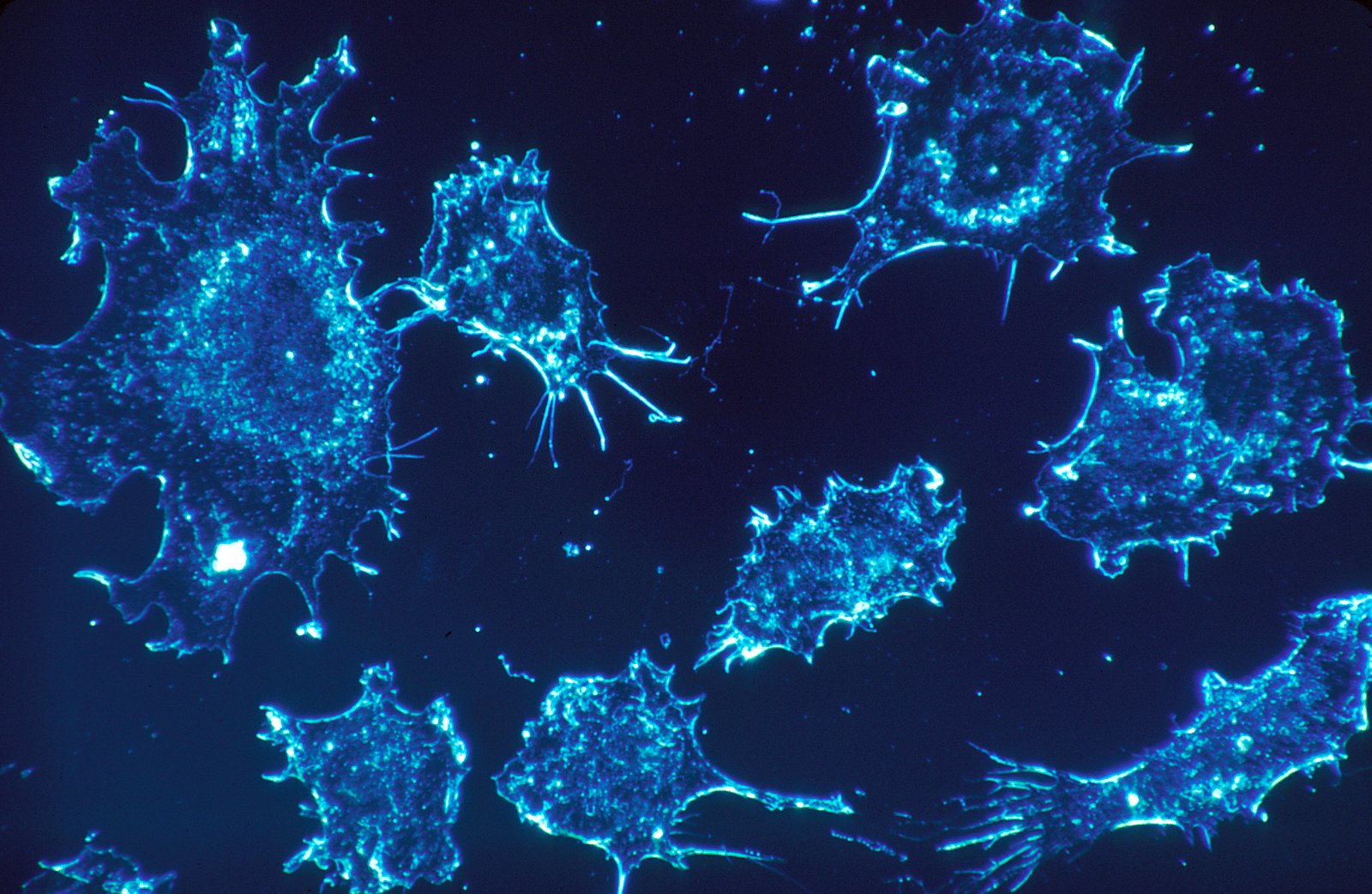
The clinical study at Memorial Sloan Kettering Cancer Center focused on a specific genetic subset of rectal tumors known as mismatch-repair-deficient, or MMRd, malignancies. In healthy cells, specialized enzymes continuously proofread and repair errors that occur when DNA copies itself during cell division. When those repair pathways fail, cells accumulate thousands of genetic mutations that produce abnormal proteins on the tumor surface.
Although these mutated proteins should trigger an immediate immune attack, malignant cells deploy a molecular disguise to survive. Tumor cells express programmed death-ligand proteins that bind to PD-1 receptors on circulating T-cells, effectively switching off the body’s defensive response. By administering the monoclonal antibody dostarlimab, oncologists blocked that deceptive checkpoint signal and released the immune system to destroy the cancer.
Each of the eighteen enrolled patients received intravenous doses of dostarlimab every three weeks over a six-month treatment course. Researchers led by gastrointestinal oncologists Andrea Cercek and Luis Diaz Jr. initially anticipated that the drug would merely shrink the tumors before standard chemoradiation and surgery. Instead, follow-up endoscopies, positron emission tomography scans, and magnetic resonance imaging revealed no detectable trace of cancer in any participant.
Preserving Quality of Life Without Surgery or Radiation
Standard care for locally advanced rectal cancer typically requires a grueling combination of pelvic radiation, cytotoxic chemotherapy, and surgical resection of the rectum. While effective at controlling local disease, these invasive interventions frequently leave survivors with permanent nerve damage, bowel and urinary dysfunction, sexual impairment, and infertility. Roughly a quarter of surgical patients must rely on a permanent colostomy bag for the rest of their lives.
Replacing aggressive multimodal surgery with a targeted biological infusion represents a profound advancement in oncology and medical science for patients carrying mismatch-repair-deficient mutations. Throughout the clinical follow-up period, which extended up to two years for the earliest enrollees, none of the eighteen patients required subsequent chemoradiation or surgical intervention. Furthermore, no patient experienced tumor recurrence, and severe adverse drug reactions remained remarkably absent.
Expanding Biomarker-Driven Immunotherapy to Other Solid Tumors
Approximately five to ten percent of all rectal cancer diagnoses exhibit mismatch-repair deficiency, translating to thousands of patients globally who could benefit from this organ-sparing protocol. Because the genetic defect is also prevalent in subsets of endometrial, gastric, colon, and pancreatic tumors, clinical investigators are now evaluating whether single-agent PD-1 blockade can eliminate early-stage malignancies across multiple organs. This shift toward tumor-agnostic, biomarker-guided therapy suggests that classification by genetic repair status may soon outweigh anatomical location when designing curative cancer treatments.
Larger multicenter trials are now enrolling additional cohorts to confirm long-term durability across broader patient demographics and varied clinical settings. If ongoing five-year survival assessments maintain these complete clinical responses, neoadjuvant PD-1 blockade could permanently replace surgical resection as the primary standard of care for mismatch-repair-deficient localized tumors. Routine genomic screening at the moment of initial biopsy will be essential to identify eligible patients before conventional radiation or chemotherapy begins.