By Liam Foster
The Federal Trade Commission issued compulsory orders on October 29, 2026, requiring nine major retail, airline, and gig-economy companies to disclose how personal consumer data influences individualized prices and worker pay. Target, Walmart, Delta Air Lines, United Airlines, JetBlue, Uber, Lyft, DoorDash, and Instacart have 45 days to comply with the federal inquiry.
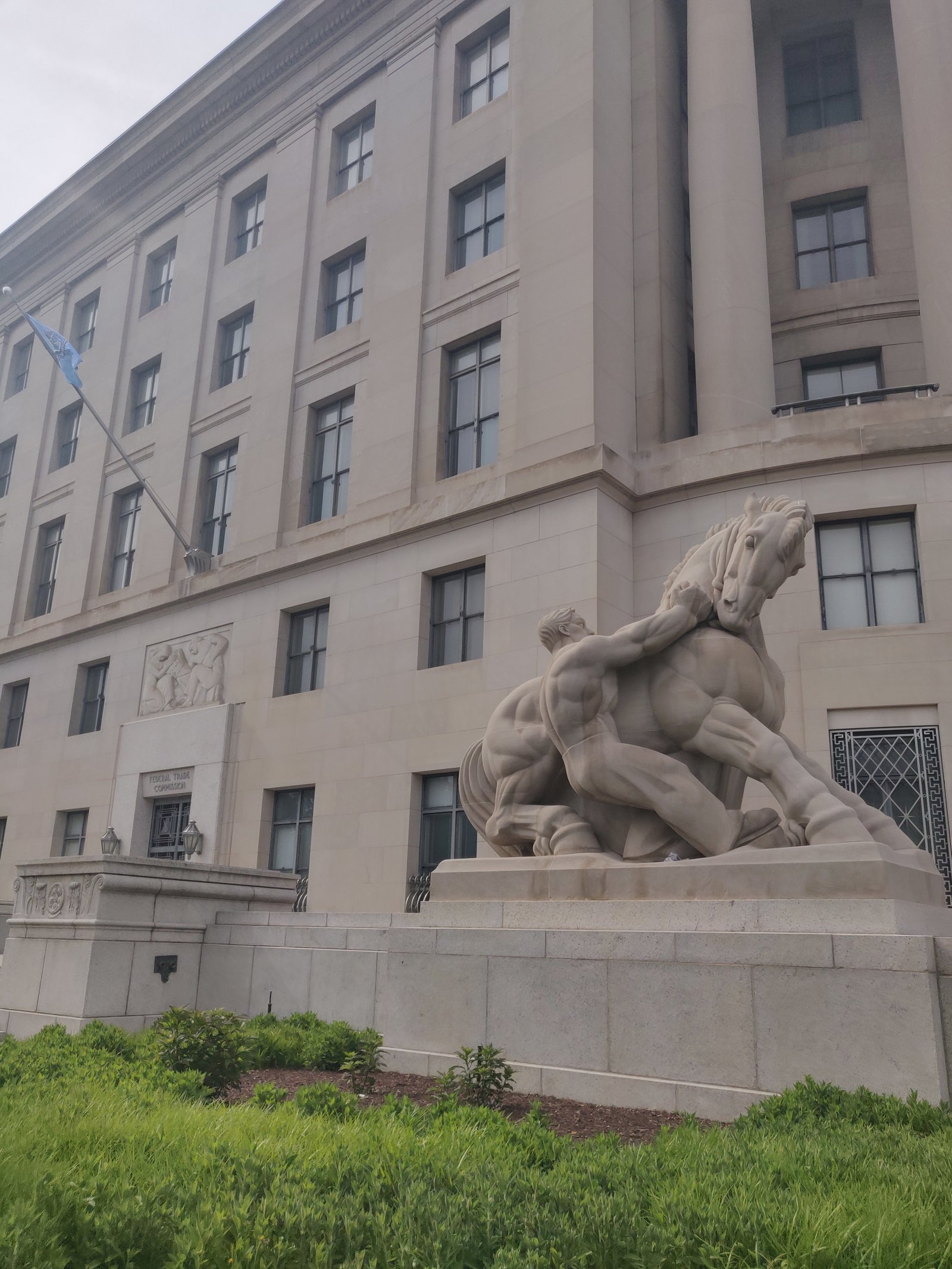
Approved by a unanimous 2-0 vote, the special demands were issued under Section 6(b) of the FTC Act, which empowers regulators to conduct broad market studies outside of formal law enforcement complaints. If any recipient fails to turn over the requested documentation within the 45-day deadline, the commission can seek enforcement in federal court. The investigation represents a major compliance test for the Business sector as federal and state officials intensify scrutiny of automated pricing systems.
Algorithmic Pricing Inputs and Loyalty Program Scrutiny
Regulators are demanding detailed documentation from January 1, 2023, through full compliance, alongside selected research and testing records dating back to 2021. Each company must identify the specific software tools, algorithms, and third-party vendors used to calculate, test, or adjust customer prices. The orders specifically examine whether browsing history, location signals, customer segmentation, or participation in loyalty programs cause two shoppers to see different prices for identical goods or services.
FTC Chairman Andrew Ferguson stated that Americans deserve to know whether corporations analyze personal browsing habits to estimate the maximum amount an individual shopper is willing to pay. Unlike a mid-2024 agency study that examined third-party pricing consultants and software middlemen, the October 2026 orders target the consumer-facing companies that make final pricing decisions. Commission officials noted that the previous review of intermediaries yielded virtually no insight into actual corporate pricing practices.
Several recipients quickly denied using personal profiles to set individualized charges. Delta Air Lines stated that it has no fare product in use, testing, or development that targets travelers with individualized offers based on personal data, while JetBlue confirmed that its fares depend solely on demand and seat availability. Instacart similarly noted that retail partners set grocery prices on its platform, adding that it discontinued an experimental price-testing tool after a December 2025 study found grocery items priced up to 23% differently across user accounts.
Gig-Economy Worker Pay and Broader Retail Enforcement
Beyond consumer checkout prices, the inquiry examines whether ride-hailing and delivery platforms use personal data to determine shifting compensation offers for gig-economy drivers and shoppers. Regulators want to know if algorithms evaluate a worker’s phone usage patterns or historical acceptance of prior job offers to calculate the lowest pay rate a contractor will accept. Instacart responded that its shopper compensation relies strictly on objective job metrics such as delivery distance and item count.
The sweeping study follows an August 19, 2026 policy statement in which the commission warned that undisclosed personalized pricing likely violates Section 5 of the FTC Act. State legislatures in Maryland, New York, and Connecticut have also enacted rules targeting algorithmic and grocery pricing, while California launched its own investigative sweep in January 2026. The federal orders arrived just one day before DoorDash and Instacart announced a major acquisition agreement.
The Section 6(b) orders also build on an aggressive enforcement push against retail price deception. On October 26, 2026, the commission and 20 state attorneys general filed a federal lawsuit in the Middle District of Tennessee against Dollar General Corporation. That complaint alleges the discount chain routinely charged shoppers more at the register than the prices displayed on store shelves across its more than 21,000 locations, underscoring a dual regulatory crackdown on both physical and algorithmic pricing practices.