By Marcus Lee
Federal coastal science officials announced in late October 2026 that national harmful algal bloom response funding has surpassed its one-millionth dollar in direct emergency assistance. Since its creation in 2003, the Harmful Algal Bloom Event Response program has backed 80 rapid-deployment projects across 18 United States coastal states and Puerto Rico.
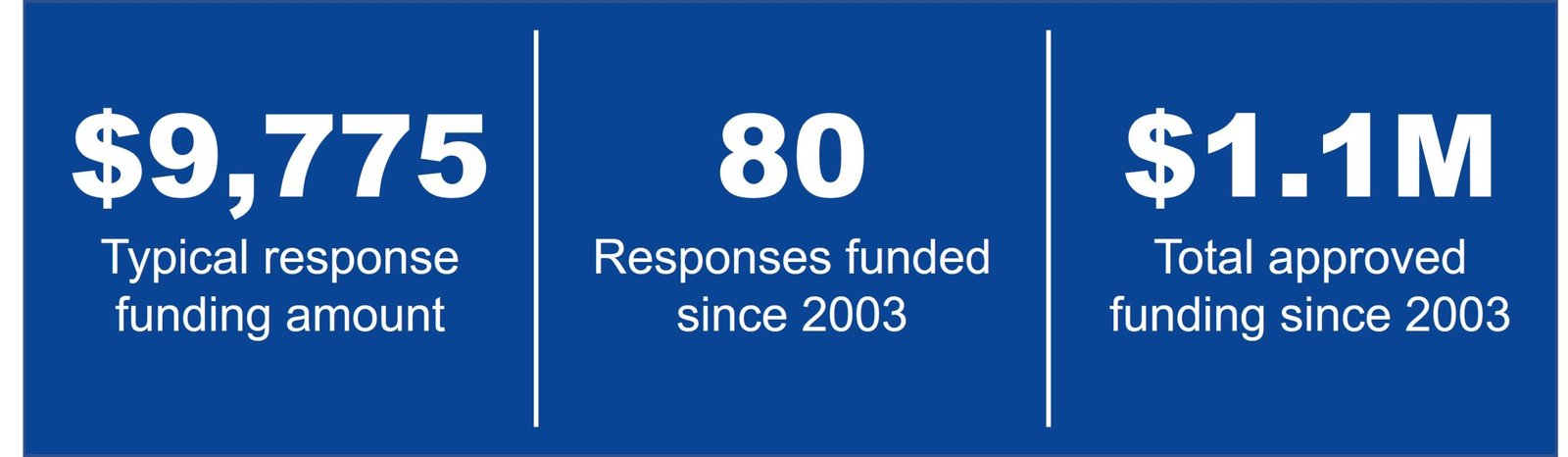
Administered by the National Centers for Coastal Ocean Science in partnership with the United States National Office for Harmful Algal Blooms at Woods Hole Oceanographic Institution, the initiative provides immediate technical and financial relief when toxic algae threaten public health, commercial fisheries, or marine wildlife. Total direct event support has now reached $1.1 million, with individual emergency grants averaging $9,775.
Authorized under the Harmful Algal Bloom and Hypoxia Research and Control Act, the rapid-response mechanism complements broader multi-year research grants—including $13.4 million awarded in late September 2026 to support 49 long-term bloom and hypoxia investigations nationwide.
Supporting Rapid Toxin Testing and Seafood Safety
When sudden algal proliferations emerge in bays, estuaries, or offshore shellfish beds, local health departments often face urgent bottlenecks in water sampling and laboratory toxin verification. Rapid-response grants bridge those operational gaps within days, supplying specialized chemical standards, phytoplankton microscopy, field sampling gear, and regional training workshops.
In Kodiak, Alaska, for example, community-based sampling and rapid toxin screening have strengthened safe seafood harvesting protocols across remote subarctic coastlines. Fast turnaround times allow state shellfish managers to issue targeted harvesting closures only when biotoxins exceed federal safety thresholds, protecting both consumers and commercial fishermen.
Across two decades of operations, the national response framework has delivered measurable coastal impacts:
- Funded 80 emergency bloom response deployments across 18 states and Puerto Rico with an average rapid-action award of $9,775.
- Supplied immediate toxin analysis and phytoplankton identification during wildlife mortality and shellfish contamination events.
- Built permanent state and tribal laboratory capacity to detect emerging marine biotoxins independently.
Expanding Coastal Monitoring Tools to Subarctic Waters
Alongside algal toxin tracking, federal marine scientists at the Hollings Marine Laboratory in Charleston, South Carolina, and the Kasitsna Bay Laboratory in Seldovia, Alaska, completed a successful October 2026 pilot adapting estuarine mesocosm cages for subarctic waters. Previously deployed only in Atlantic and Gulf of America habitats where tides vary by two to six feet, the cylindrical enclosures had to be re-engineered for Alaska’s extreme 30-foot tidal swings.
By transitioning from bottom-anchored cages to moored floating frames during a 24-hour trial in Kachemak Bay, researchers successfully monitored local cod, sculpin, three-spine stickleback, and pygmy rock crab ahead of a full Fiscal Year 2027 deployment. Supported under the Clean Water Act and the Oil Pollution Act of 1990, data from those enclosures will guide oil spill cleanup and habitat restoration across northern coastlines.
Together, rapid algal bloom intervention and field mesocosm testing give environmental managers stronger tools to safeguard coastal ecosystems from biological toxins and chemical spills. Through interactive regional mapping and shared laboratory protocols, state agencies can coordinate faster field responses whenever marine anomalies appear. Readers following environmental policy in our Top News section can see how targeted scientific funding protects coastal economies nationwide.