By Marcus Lee
An intermediate court in Wuhan held a formal hearing on Wednesday in a high-profile defamation lawsuit targeting the U.S. state of Missouri and three of its current and former attorneys general. The Chinese court Missouri COVID defamation case, brought by municipal and scientific entities, alleges that state officials fabricated and spread false claims regarding the pandemic.
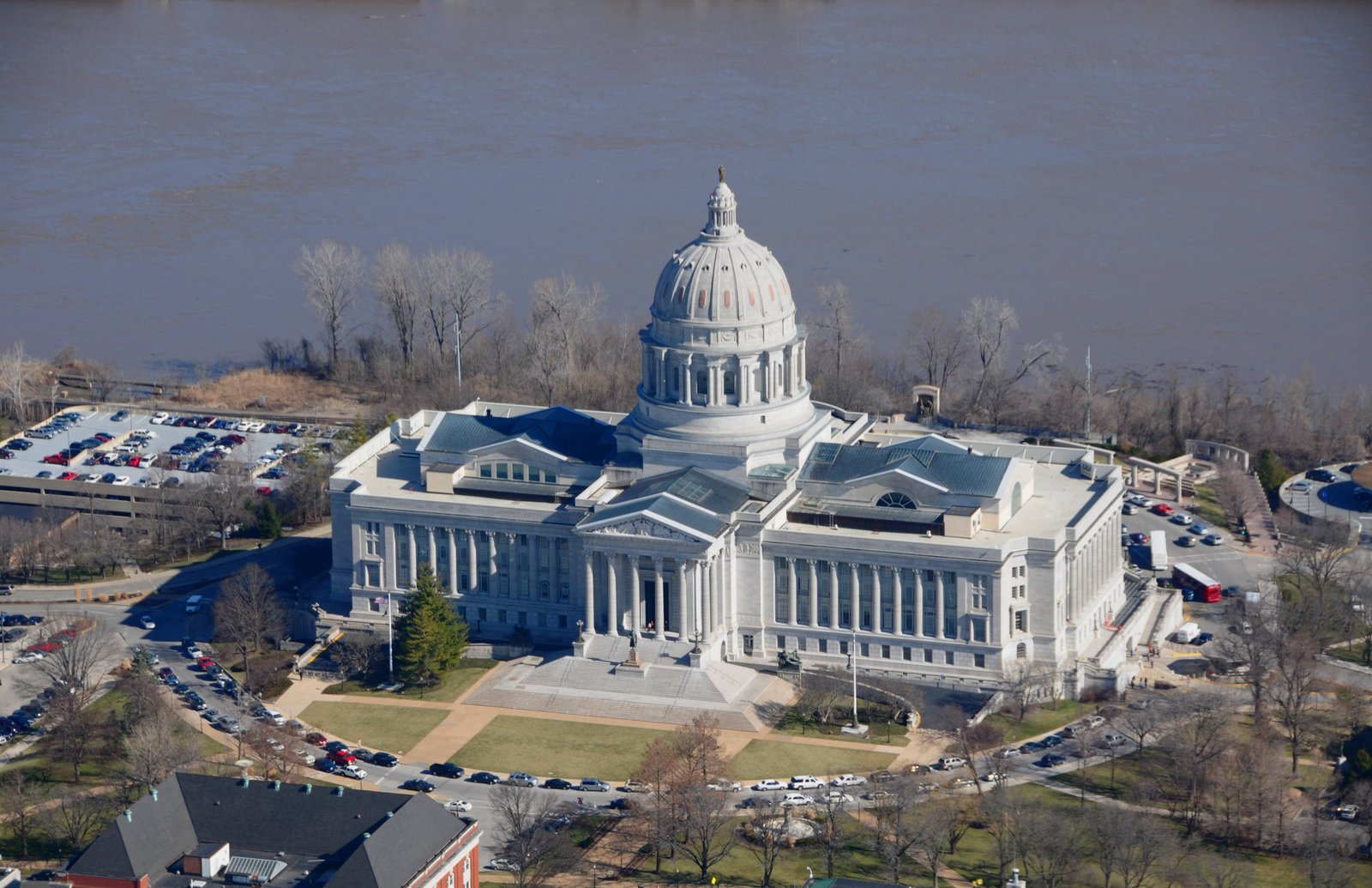
Wuhan Plaintiffs Target Missouri State Officials
Proceedings took place before the Wuhan Intermediate People’s Court in Hubei province, marking a rare cross-border judicial confrontation between Chinese research and municipal bodies and an American state government. The plaintiffs bringing the civil complaint include the Wuhan municipal government, the Wuhan Institute of Virology, and Beijing’s Chinese Academy of Sciences.
Named as defendants alongside the State of Missouri are former Missouri Attorneys General Eric Schmitt and Andrew Bailey, as well as current Missouri Attorney General Catherine Hanaway. In their courtroom presentation, legal representatives for the plaintiffs accused the Missouri officials of pursuing malicious and abusive litigation inside United States federal courts over the past six years.
According to filings accepted by the Wuhan tribunal, the Chinese institutions contend that Missouri’s legal campaign intentionally stigmatized Wuhan residents and scientists, infringed upon institutional reputation rights, and inflicted measurable financial harm. Legal analysts following international disputes in U.S. News note that the proceeding serves as a direct legal countermeasure to pandemic lawsuits previously filed in American federal courtrooms.
Origins of the Multi-Year Legal Dispute
The confrontation dates back to April 2020, when Missouri became the first American state to file a federal civil lawsuit seeking billions of dollars in economic and public health damages from Chinese officials and research institutions over the global coronavirus outbreak. That original Missouri complaint alleged that authorities concealed early epidemiological data and restricted exports of personal protective equipment.
While the Foreign Sovereign Immunities Act generally shields foreign nations from civil lawsuits in United States courts, years of procedural appeals and default-judgment motions have kept the dispute active in federal dockets. The Wuhan plaintiffs argue in their countersuit that Missouri’s attorneys general used those domestic court filings to broadcast unsubstantiated accusations against the Wuhan Institute of Virology and the Chinese Academy of Sciences.
Prolonged institutional conflicts and public controversies often parallel broader discussions on resilience and public health, including how individuals manage chronic stress and seasonal fatigue during periods of uncertainty. Inside the courtroom, however, the dispute centers strictly on sovereign immunity, defamation standards, and international jurisdiction.
Jurisdictional Questions and Practical Enforcement
Specialists in private international law emphasize that any monetary or declaratory judgment eventually handed down by the Wuhan Intermediate People’s Court against the State of Missouri or individual American officials would face virtually insurmountable barriers to enforcement in the United States. Neither the Missouri Attorney General’s Office nor the named former officeholders appeared or sent legal counsel to participate in Wednesday’s courtroom hearing in Hubei province.
Even without direct enforcement mechanisms across international borders, the proceeding illustrates how domestic political and legal actions in state capitals can trigger formal judicial retaliation overseas. The Wuhan court panel is expected to review the documentary evidence and financial damage claims submitted during Wednesday’s session before issuing a formal written verdict at a later date.