By Maya Collins
The Federal Reserve maintained its benchmark federal funds target range at 3.75% to 4.00% on Wednesday, October 28, 2026, pausing its tightening cycle following a quarter-point rate increase in September. Approved by a 10–2 vote of the Federal Open Market Committee, the decision saw two policymakers dissent in favor of raising rates to 4.00% to 4.25%.
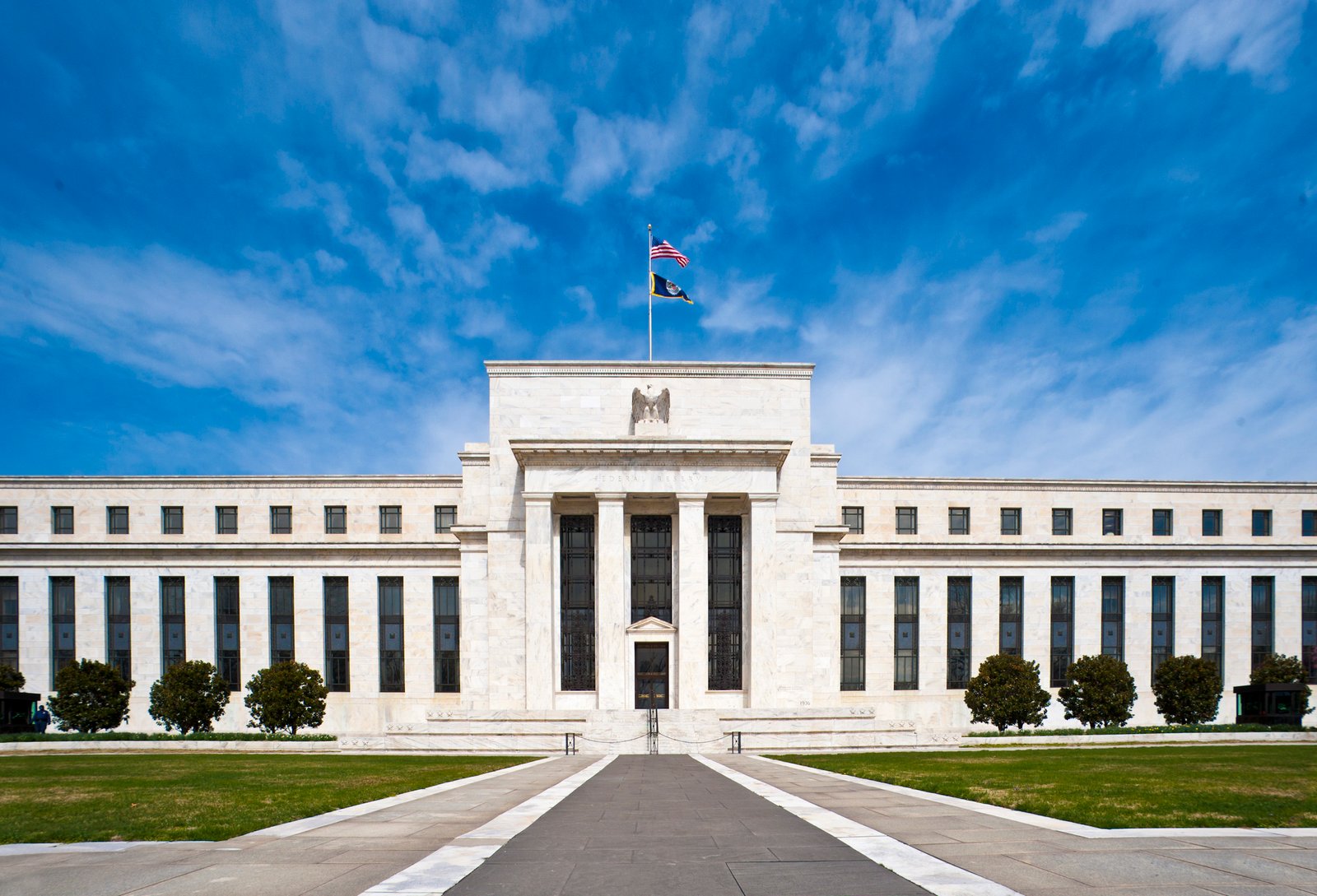
Federal Reserve Governor Lisa D. Cook and Cleveland Federal Reserve President Beth M. Hammack cast the two dissenting votes at the conclusion of the two-day policy meeting in Washington. Both officials preferred an immediate 25-basis-point increase to combat stubborn price pressures across the United States economy. Meanwhile, the ten-member majority opted to hold borrowing costs steady to evaluate how September’s rate hike and elevated bond yields are affecting financial conditions.
Hawkish Dissent Highlights Persistent Inflation Pressures
The split vote underscores growing tension inside the central bank after the Consumer Price Index rose 3.7% year over year in September and climbed 0.6% from August. Excluding volatile food and energy categories, core consumer prices increased 0.3% on a monthly basis and 2.6% over the prior twelve months. Policymakers noted in their post-meeting statement that inflation remains elevated even as domestic spending, productivity growth, and capital investment expand at a strong pace.
During his post-meeting press conference, Chair Kevin Warsh stressed that restoring price stability remains the central bank’s overriding mandate. Warsh stated that officials will bring inflation back down to the 2% target without exception, while emphasizing that accumulating additional economic data will guide the committee’s next move. Alongside the rate decision, the Board of Governors voted unanimously to keep the interest rate paid on reserve balances at 3.90% and the primary credit rate at 4.00%, effective October 29.
Structural Calendar Changes and Market Tightening
Warsh also unveiled a structural adjustment to the Federal Open Market Committee schedule beginning in 2027. While the committee will continue to convene eight times per year, one meeting in 2027 and two meetings in 2028 will be dedicated exclusively to long-term monetary policy strategy without a scheduled rate vote or policy statement. The chair explained that shifting away from constant near-term rate guidance allows officials to focus on broader economic trends rather than prejudging upcoming decisions.
Across the broader Business landscape, higher long-term Treasury yields have already tightened credit conditions for households and corporations since the September rate hike, which had marked the central bank’s first increase in more than three years. After holding the benchmark range at 3.50% to 3.75% through its first five meetings of 2026, the committee raised rates unanimously in September before pausing in October. Corporate borrowers and homebuyers continue to face elevated financing costs as fixed-income markets adjust to a prolonged period of restrictive monetary policy.
What to Watch Ahead of the December Meeting
Attention across financial markets now turns to the final policy gathering of the year, scheduled for December 8–9, 2026. Interest rate futures following the October announcement reflected more than an 80% probability of a quarter-point rate hike in December if price pressures do not cool. Strategists also project up to 50 basis points of additional tightening into 2027 should economic growth and consumer demand remain resilient.
Before gathering in December, central bank officials will closely monitor upcoming Personal Consumption Expenditures inflation readings, monthly payroll reports, wage growth, and energy prices. Those indicators will determine whether the current 3.75% to 4.00% target range is sufficiently restrictive or if further rate increases are required to secure the 2% inflation goal.