By Ethan Brooks
The United States, Australia, India, and Japan have announced a new slate of Indo-Pacific economic security milestones covering critical mineral recovery, regional fuel reserves, port modernization, and disaster response logistics. Issued following diplomatic talks in late October 2026, the joint statement highlights practical supply chain cooperation designed to reduce dependence on single-country suppliers.
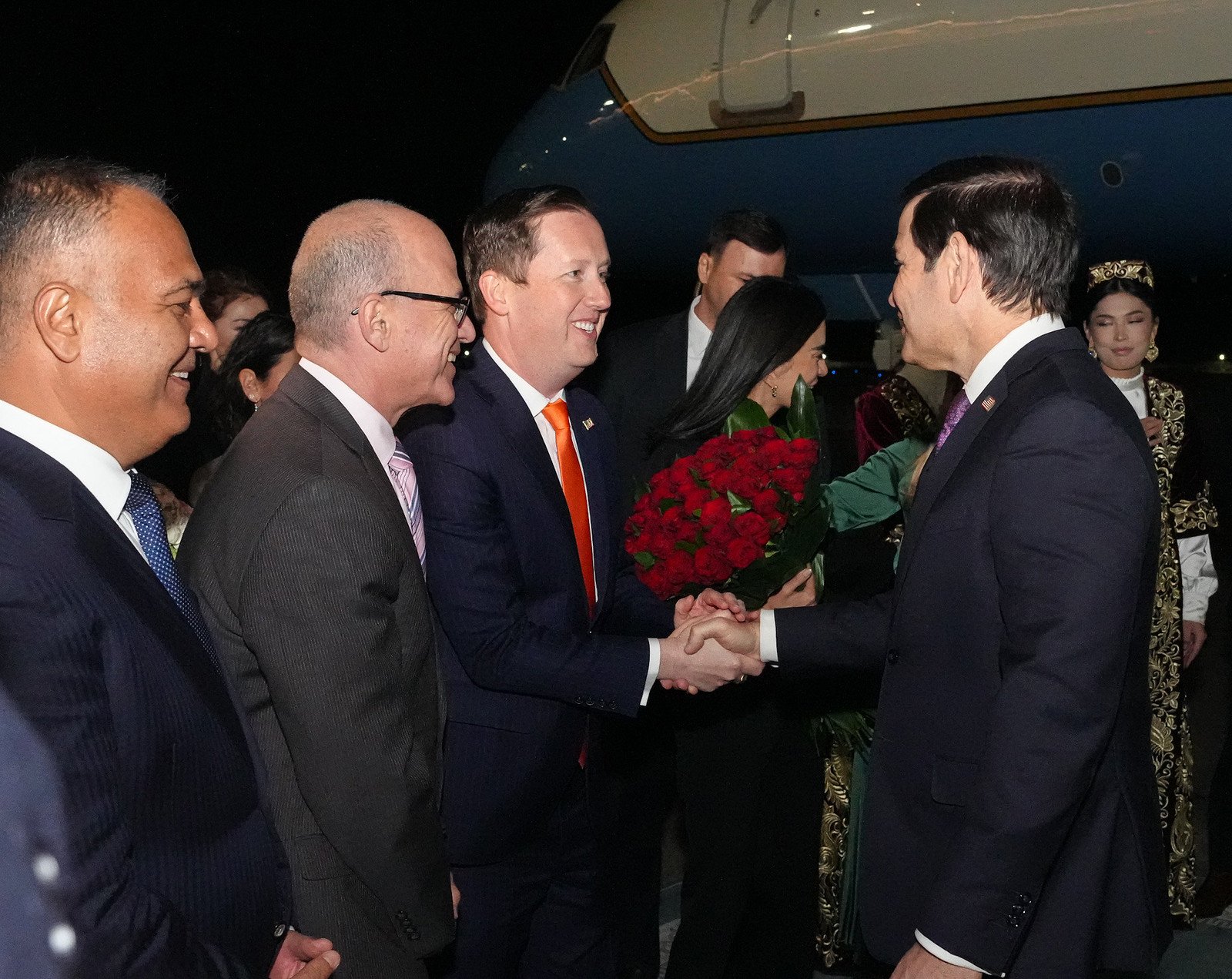
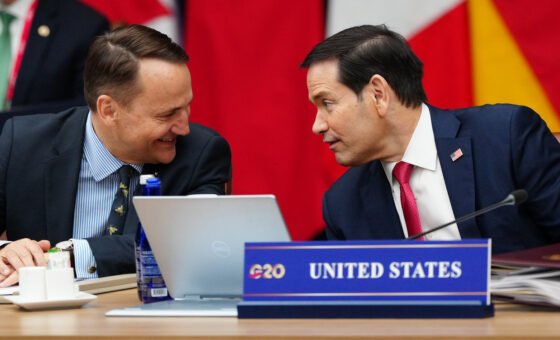
Released by the Department of State on November 1, 2026, the Quad Joint Press Release on Economic Prosperity and Security details progress under the Quad Critical Minerals Initiative Framework first signed in New Delhi on May 26, 2026, by Secretary of State Marco Rubio, Indian External Affairs Minister Subrahmanyam Jaishankar, Australian Foreign Minister Penny Wong, and Japanese Foreign Minister Motegi Toshimitsu. The four democracies are coordinating technical programs and private-sector investments to recover critical minerals from electronic waste and industrial scrap materials across the Indo-Pacific.
By scaling up secondary mineral recovery, refining capacity, and diversified processing hubs, the partnership seeks to insulate semiconductor, defense, and battery manufacturers from arbitrary export restrictions and supply bottlenecks. Additional coverage of Indo-Pacific alliances and trade strategy appears in the Politics category.
Fuel Security Reserves and Pacific Port Modernization
Beyond mineral supply chains, the joint statement revealed that the four nations convened the inaugural Quad Fuel Security Forum in September 2026. Senior energy officials examined coordinated strategies to strengthen national strategic petroleum reserves, expand commercial fuel stockholdings, and safeguard maritime energy lanes across the Indo-Pacific to buffer regional economies against unexpected supply shocks.
In the Pacific Islands, Quad development agencies are partnering directly with the Government of Fiji to modernize port infrastructure at three strategic maritime gateways: Suva, Lautoka, and Rokobili. Upgrading cargo handling, berth capacity, and maritime safety at those three Fijian ports is intended to strengthen inter-island commerce and bolster resilient transport links across the South Pacific.
To support long-term institutional capacity across developing partner states, the four governments confirmed they have awarded more than 2,000 Quad infrastructure fellowships across Southeast Asia, South Asia, and the Pacific Islands. Those fellowships train civil engineers, grid planners, and port administrators in technical standards, transparent procurement, and resilient project financing.
Cyber Resilience and the Indo-Pacific Logistics Network
The November statement also underscored growing digital and defense logistics coordination among Washington, Canberra, New Delhi, and Tokyo. In October 2026, Quad Cyber Senior Officials met to align defensive capabilities protecting telecommunications networks, financial institutions, and critical infrastructure across the region from state-backed cyber intrusions and supply chain compromises.
On humanitarian and military readiness, the four nations advanced Standard Operating Procedures for the Indo-Pacific Logistics Network during a second tabletop exercise hosted by Japan’s Ministry of Defense in September 2026. The logistics network enables rapid airlift and sealift coordination when natural disasters strike Indo-Pacific communities, with further field testing scheduled during the next Rim of the Pacific naval exercise.
Demonstrating immediate operational cooperation, the United States, Australia, and Japan confirmed they will dispatch official observers to India’s Annual Joint Humanitarian Assistance and Disaster Relief Exercise in November 2026. Diplomats noted that pairing physical logistics readiness with critical mineral and fuel security creates a durable foundation for regional stability.