By Maya Collins
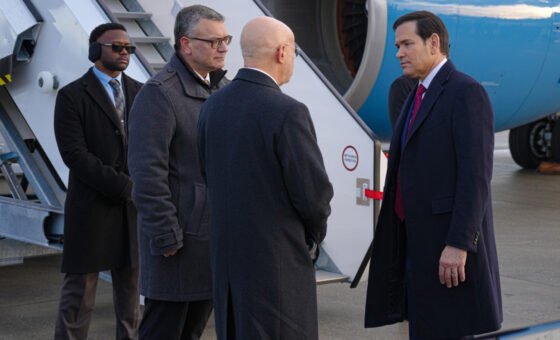
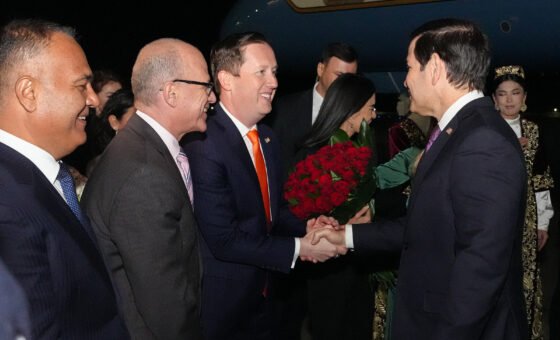
Secretary of State Marco Rubio hosted foreign ministers from the Group of Twenty major economies in Atlanta, Georgia, on October 30 and October 31, 2026, steering diplomatic talks toward energy abundance, supply chain resilience, and maritime security. Held during America’s 250th independence anniversary year, the ministerial laid the groundwork for the upcoming G20 Leaders’ Summit in Miami.
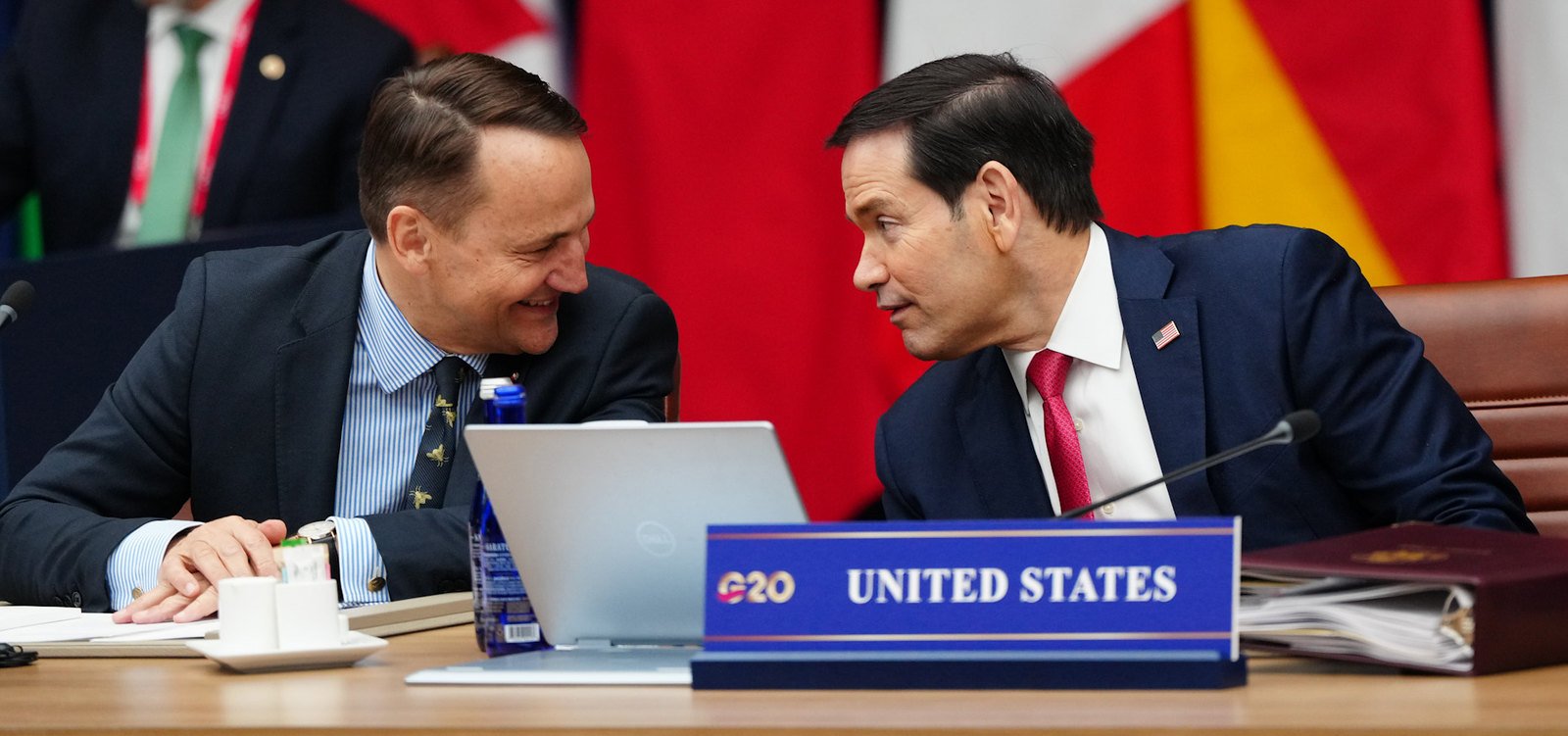
In the G20 Chair’s Statement released following the two-day gathering, the Department of State emphasized returning the international forum to its core economic mission of raising living standards, addressing global economic challenges, and fostering commercial growth. Plenary sessions on October 30 focused on geopolitical disruptions and energy markets, while bilateral sidelines produced new diplomatic agreements with key allies.
Throughout the Atlanta ministerial, the United States delegation argued that national sovereignty must guide each country’s domestic energy mix rather than restrictive international mandates. Follow our international diplomacy and foreign affairs reporting in the Politics section.
Prioritizing Energy Abundance and Civil Nuclear Power
A central pillar of the Chair’s Statement addressed global energy disruptions experienced throughout 2026 and the sensitivity of households and industries to gasoline, natural gas, and electricity prices. American diplomats stressed that rising population growth, electrification, industrialization, cooling demand, and digital data center expansion require abundant, affordable baseload power rather than regulatory barriers that constrain domestic production.
Ministers discussed the role of emerging civil nuclear technologies, including small modular reactors and micro-reactors, in meeting surging global electricity demand while strengthening national energy security. While acknowledging that individual nations choose different energy pathways, the U.S. chair underscored that every country is entitled to make its own sovereign energy choices without being constrained by other states.
Delegates also addressed geopolitical threats to international energy transit corridors, specifically highlighting the Straits of Hormuz and the Bab al-Mandab. Ensuring uninterrupted energy flows, protecting critical maritime infrastructure, and defending safe navigation and transit passage through international waterways were identified as essential prerequisites for global economic stability.
Supply Chain Resilience and Bilateral Agreements in Atlanta
On supply chain security, the G20 discussions focused on critical minerals required for advanced manufacturing as well as basic agricultural inputs such as fertilizer needed for food production. The Chair’s Statement called on member nations to update domestic permitting processes, improve transparency, expand private-sector partnerships for mineral processing and recycling, and reject the weaponization of food and agricultural trade as a tool of geopolitical coercion.
Ministers also reviewed international health cooperation, noting that $2 billion raised at a September 2026 pledging event in New York under the U.S. G20 presidency has catalyzed a more aggressive frontline response to an ongoing Ebola outbreak. The statement concluded by praising Georgia’s hospitality and looking ahead to the Miami Leaders’ Summit and the United Kingdom’s assumption of the G20 presidency in 2027.
On the margins of the Atlanta summit, Secretary Rubio held bilateral talks with Turkish Foreign Minister Hakan Fidan and signed a World Expo 2030 Riyadh participation contract with Saudi Foreign Minister Prince Faisal bin Farhan Al Saud. Rubio also joined Japanese Foreign Minister Motegi Toshimitsu and South Korean Foreign Minister Cho Hyun to sign a Trilateral Arctic Pacific Partnership Memorandum of Cooperation.