By Noah Carter
President Donald Trump signed a presidential proclamation under Section 232 of the Trade Expansion Act of 1962 to address national security vulnerabilities linked to foreign imports of robotics, industrial machinery, and specialized components. The measure directs top trade officials to negotiate binding supply agreements with international trading partners to rebuild domestic production capacity.
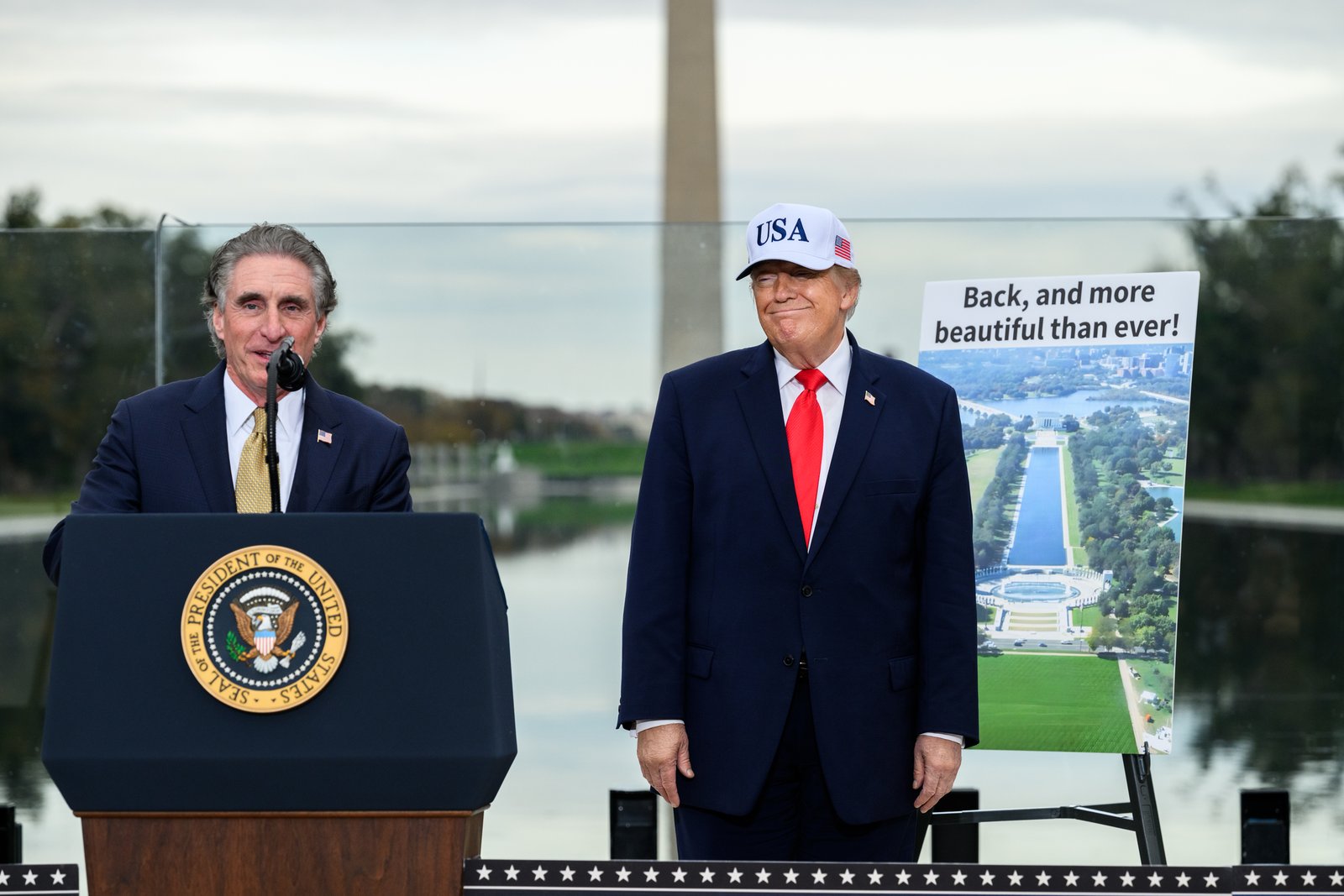
Issued on October 28, 2026, the proclamation instructs the U.S. Secretary of Commerce and the United States Trade Representative to jointly open bilateral and multilateral negotiations covering industrial automation equipment and precision machine tools. Under the directive, the Secretary of Commerce will monitor import volumes and notify the President if additional import adjustments or tariffs are warranted to eliminate national security risks.
Administration officials emphasized that modern defense production, aerospace assembly, and critical infrastructure sectors depend heavily on automated robotics and computer-controlled machinery. Readers following federal trade and industrial policy developments can explore related reporting in our Politics category.
Addressing Domestic Capacity Gaps in Advanced Machinery
According to the White House assessment accompanying the proclamation, domestic consumption of industrial robotics and high-precision machinery currently outpaces United States production capacity. Even as factory construction and capital equipment investment expanded through the first three quarters of 2026, American manufacturers have remained reliant on foreign suppliers for actuators, sensors, controllers, and heavy machine subcomponents.
Federal officials warned that sustained reliance on overseas supply chains exposes defense contractors and commercial plants to supply disruptions during geopolitical crises. Without a self-sustaining domestic ecosystem for robotics and machine tools, plant modernization efforts across the automotive, semiconductor, and energy sectors could face bottlenecks controlled by foreign competitors.
Data released by the White House on October 22, 2026, showed that United States manufacturing employment rose by 72,000 jobs in 2026, led by a 101,000-job gain in durable goods manufacturing. Inflation-adjusted annual wages for blue-collar factory workers also increased by an average of $2,400 since January 2025, while more than 29 million workers claimed the federal overtime tax deduction this filing season, reinforcing efforts to localize upstream equipment supply chains.
Expanding the Scope of Section 232 Trade Enforcement
The October 28 proclamation on robotics and industrial machinery extends a sequence of Section 232 trade actions enacted during 2025 and 2026. Over the past 21 months, the administration has used national security trade authority to adjust imports across steel, aluminum, copper, automobiles, commercial aircraft, jet engines, timber, semiconductors, pharmaceuticals, polysilicon, and unmanned aircraft systems.
Just days before the robotics directive, the White House signed proclamations on October 22 and October 23, 2026, adjusting imports of wind turbines and components as well as modifying tariff scopes on Canadian motor vehicle products. Trade negotiators argue that pairing targeted import restrictions with bilateral negotiations encourages foreign equipment makers to establish assembly plants inside the United States.
Legal and trade policy analysts note that using Section 232 authority has become even more central to executive trade strategy following federal court challenges to tariffs imposed under the International Emergency Economic Powers Act earlier in 2026. By grounding industrial machinery adjustments in statutory national security reviews under the 1962 trade law, the administration seeks a durable legal framework for industrial reshoring.