By Daniel Hayes
The newly released Google Pixel 11 Pro Fold refines Google’s book-style foldable smartphone formula with a lighter chassis, a brighter screen, and upgraded telephoto optics. Priced at $1,899, the flagship device focuses on structural durability and everyday ergonomics as competition intensifies across the high-end foldable handset market.
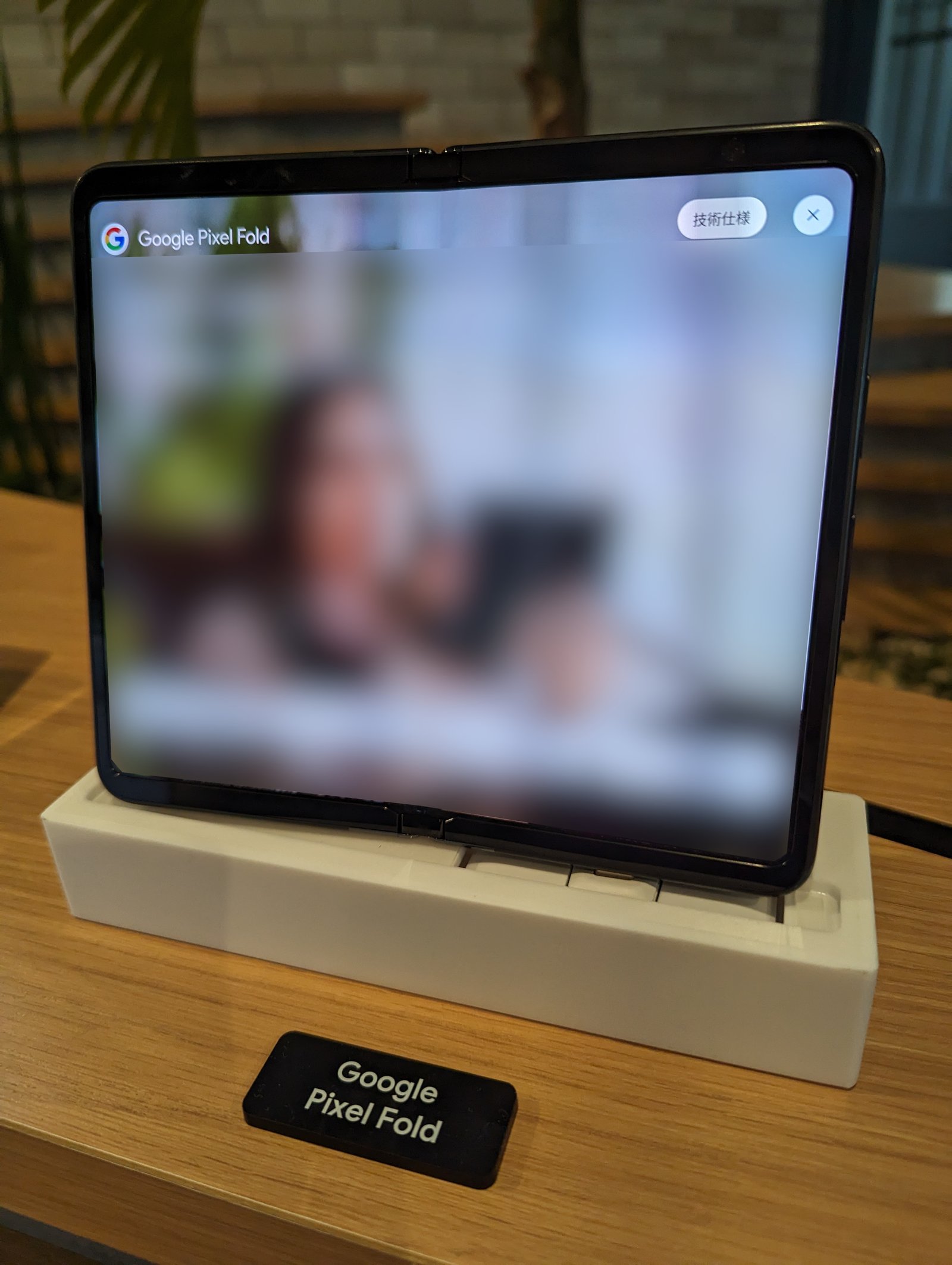
Engineered to address common complaints about heavy and bulky folding phones, the Google Pixel 11 Pro Fold weighs 19 grams less than last year’s generation and measures just 5 millimeters thick when fully unfolded. To protect the slimmer aluminum frame against accidental drops and surface scratches, Google introduced a reinforced glass-ceramic outer cover that the company states delivers three times greater structural durability than its predecessor. The base hardware configuration includes 16 gigabytes of RAM and 256 gigabytes of high-speed internal storage.
Within the consumer Technology landscape, book-style foldables have transitioned from experimental early-adopter novelties into mainstream productivity tools for mobile professionals. At a starting retail price of $1,899, Google’s latest foldable matches the pricing of the Samsung Galaxy Z Fold 8 while undercutting Apple’s newly introduced iPhone Duo by approximately $100. Rather than overhauling its familiar rectangular aspect ratio, Google prioritized outdoor screen legibility, hinge sturdiness, and telephoto camera versatility.
Display Brightness Gains and Persistent Crease Trade-Offs
One of the most noticeable hardware upgrades on the Google Pixel 11 Pro Fold is its enhanced OLED display architecture, which now reaches a peak brightness of 3,600 nits—up from 3,000 nits on the prior model. That 20 percent boost in peak luminance makes split-screen multitasking, spreadsheet editing, and high-dynamic-range video playback significantly easier to view under direct midday sunlight. Both the outer cover screen and the expansive internal tablet canvas support adaptive refresh rates for smooth scrolling and improved battery efficiency.
Despite the thinner 5-millimeter unfolded profile and strengthened glass-ceramic exterior, hands-on evaluations note that the central folding crease remains clearly visible and tactile during everyday touch navigation. While rival manufacturers have experimented with wider teardrop hinge mechanisms to flatten the inner seam, Google opted for a rigid mechanical hinge assembly designed to maximize dust resistance and long-term folding reliability. For users who primarily view the tablet screen straight on, the brighter panel helps offset off-axis light reflections along the center fold.
Camera Zoom Upgrades and Competitive Positioning
Mobile photography has historically lagged on ultra-thin foldable phones due to tight internal depth constraints that limit optical sensor and periscope lens dimensions. On the Google Pixel 11 Pro Fold, Google upgraded the telephoto imaging pipeline to support 30x Super Res Zoom, advancing from the 20x ceiling on the previous generation. Combining optical magnification with computational multi-frame synthesis allows the handset to capture clearer distant subjects without thickening the rear camera visor.
For prospective buyers comparing flagship foldables in late 2026, the purchasing decision comes down to software ecosystem integration and form-factor priorities. Users invested in Android’s multitasking workspace tools and computational photography will find the 19-gram weight reduction, tougher cover glass, and 3,600-nit display meaningful quality-of-life improvements. While the visible screen crease demonstrates that foldable display physics still involve engineering trade-offs, the Pixel 11 Pro Fold stands as a noticeably sturdier and more practical daily driver.