By Marcus Lee
Elevated arterial pressure rarely causes headaches, dizziness, or noticeable warning signs until years of mechanical strain have stiffened blood vessel walls. Practicing structured home blood pressure monitoring alongside targeted lifestyle adjustments allows adults and physicians to spot silent hypertension early, distinguish white-coat spikes from true vascular risk, and protect heart and brain circulation.
When blood pressure is checked only once a year in a busy medical office, temporary nervousness can push readings artificially high, while masked hypertension that peaks at home in the evening can go completely unnoticed. Tracking readings in a calm household setting gives a much truer picture of how your arteries handle daily life. Our Health articles provide practical guidance on cardiovascular prevention and self-monitoring.
Each reading records two distinct numbers measured in millimeters of mercury. Systolic pressure reflects the peak force against arterial walls when the heart contracts, while diastolic pressure measures the residual tension in the arteries while the heart refills between beats. Consistently elevated values in either number accelerate arterial wall rigidity, increasing long-term risk for myocardial infarction, stroke, and kidney damage.
Following the Standard Protocol for Accurate Readings
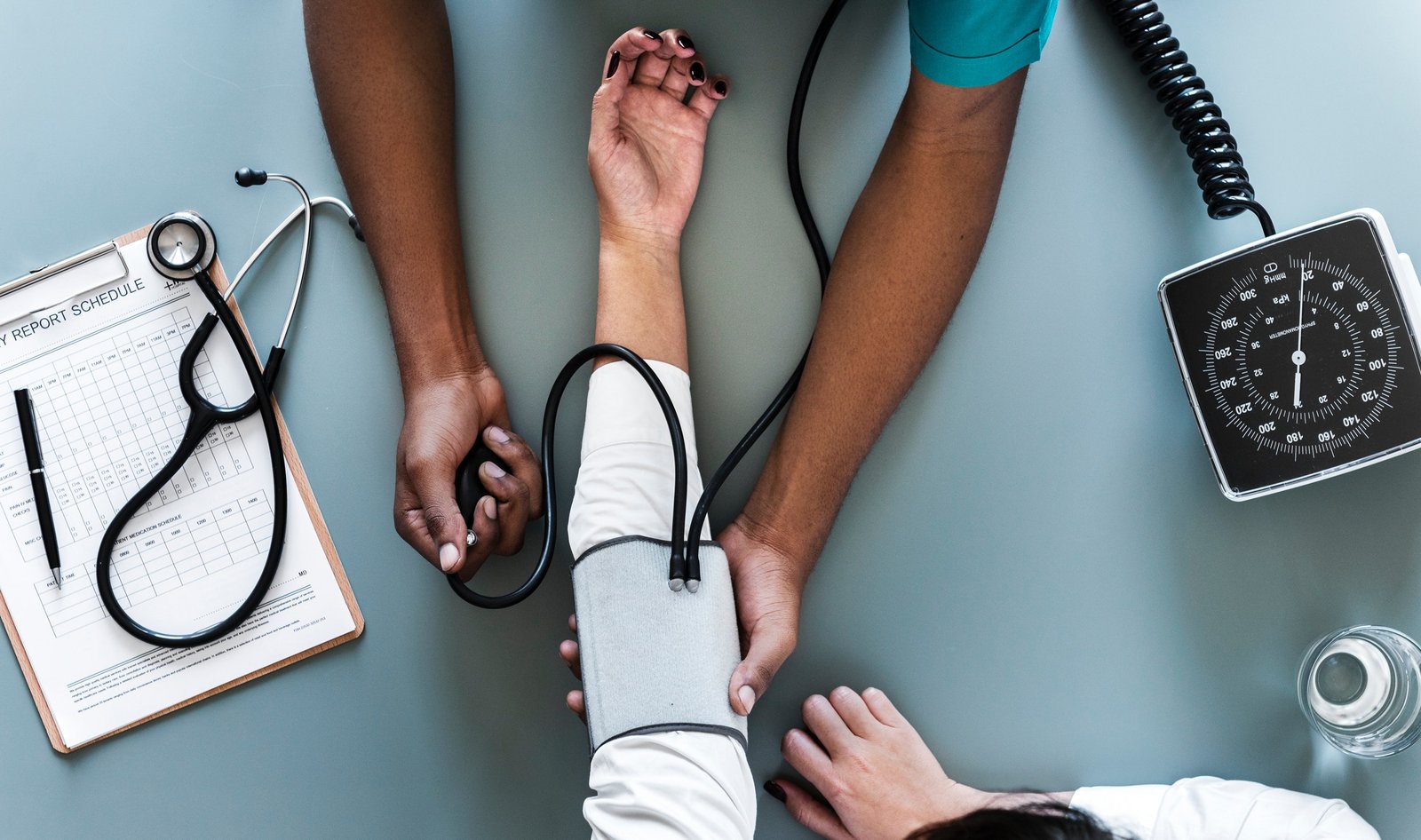
Even the best validated upper-arm monitor will produce misleading numbers if used right after climbing stairs, drinking coffee, or rushing through chores. Cardiology guidelines advise sitting quietly in a chair with back support and uncrossed feet flat on the floor for five full minutes before inflating the cuff. Emptying the bladder beforehand and avoiding caffeine, nicotine, or exercise for 30 minutes prior prevents artificial spikes.
Positioning the cuff directly on bare skin one to two centimeters above the elbow crease—with the forearm resting comfortably on a table at heart level—ensures consistent sensor contact. Taking two or three readings spaced one minute apart in the morning before breakfast and again in the evening before dinner over three to seven consecutive days creates a reliable clinical log for your physician.
How Environment, Altitude, and Daily Habits Shape Arterial Tone
Arterial pressure responds dynamically to posture, temperature, and even geographic elevation. Standing up abruptly after waking can trigger transient shifts in diastolic pressure as blood vessels constrict to maintain cerebral blood flow. Traveling to high mountain altitudes above 2,500 meters can also temporarily raise blood pressure and sleep-disordered breathing risk due to lower oxygen pressure, which is why specialists advise people with hypertension to favor moderate elevations between 1,000 and 1,500 meters and limit prolonged high-altitude stays.
Interestingly, epidemiological research from the University of Zurich covering more than 1.5 million residents found that living at moderate elevations—combined with regular low-to-moderate outdoor walking—was associated with a 22 percent lower risk of fatal heart attack and a 12 percent lower risk of stroke. Moderate aerobic exercise reduces vascular inflammation, improves insulin sensitivity, and helps arterial walls remain supple as we age.
Turning Monitoring Data into Long-Term Vascular Care
Home blood pressure monitoring works best as a calm periodic check rather than an hourly obsession that fuels health anxiety. Recording a structured one-week log before medical appointments—or whenever a physician adjusts antihypertensive therapy—provides objective baseline data without unnecessary daily stress.
Pairing regular monitoring with 30 minutes of daily brisk walking, replacing saturated fats with extra virgin olive oil, and moderating dietary sodium helps keep arterial walls flexible and blood pressure steady for decades.