By Ava Bennett
Replacing saturated animal fats with a small amount of liquid vegetable oil is one of the simplest kitchen adjustments for cardiovascular protection. Long-term population data tracking tens of thousands of adults over nearly three decades shows that consuming at least half a tablespoon of olive oil per day is linked to lower cardiovascular mortality.
Cardiovascular specialists increasingly emphasize fat quality over strict low-fat dieting when counseling patients on blood vessel longevity. In a 28-year cohort analysis following 92,000 adults, individuals who consumed more than half a tablespoon of olive oil daily experienced significantly lower rates of fatal heart disease compared with those who rarely used it. Exploring practical nutrition habits in our Health section helps clarify how everyday culinary swaps protect circulation.
Researchers noted that people who regularly cook or dress meals with olive oil also tend to maintain higher physical activity levels, avoid smoking, and eat more vegetables. Even after accounting for those lifestyle habits, the oil itself provides distinct vascular benefits driven by its lipid profile and plant compounds. Substituting olive oil for butter, dairy fat, or stick margarine consistently improved long-term arterial outcomes.
How Monounsaturated Fats and Polyphenols Protect Blood Vessels
Extra virgin olive oil is particularly rich in oleic acid, an omega-9 monounsaturated fatty acid that helps regulate blood lipid balance without oxidizing easily. When oleic acid replaces saturated fats in daily meals, low-density lipoprotein cholesterol levels tend to decline while high-density lipoprotein particles remain stable. This lipid shift reduces plaque accumulation along the inner walls of coronary and carotid arteries over time.
Beyond its fatty acid structure, cold-pressed oil contains bioactive polyphenols that act as natural antioxidants inside the bloodstream. These phenolic compounds slow cellular aging, calm low-grade vascular inflammation, and support the endothelium, which is the delicate inner lining that allows arteries to dilate smoothly. Preserving endothelial flexibility keeps resting blood pressure steadier during physical exertion and daily stress.
Practical Ways to Replace Saturated Fats in Everyday Cooking
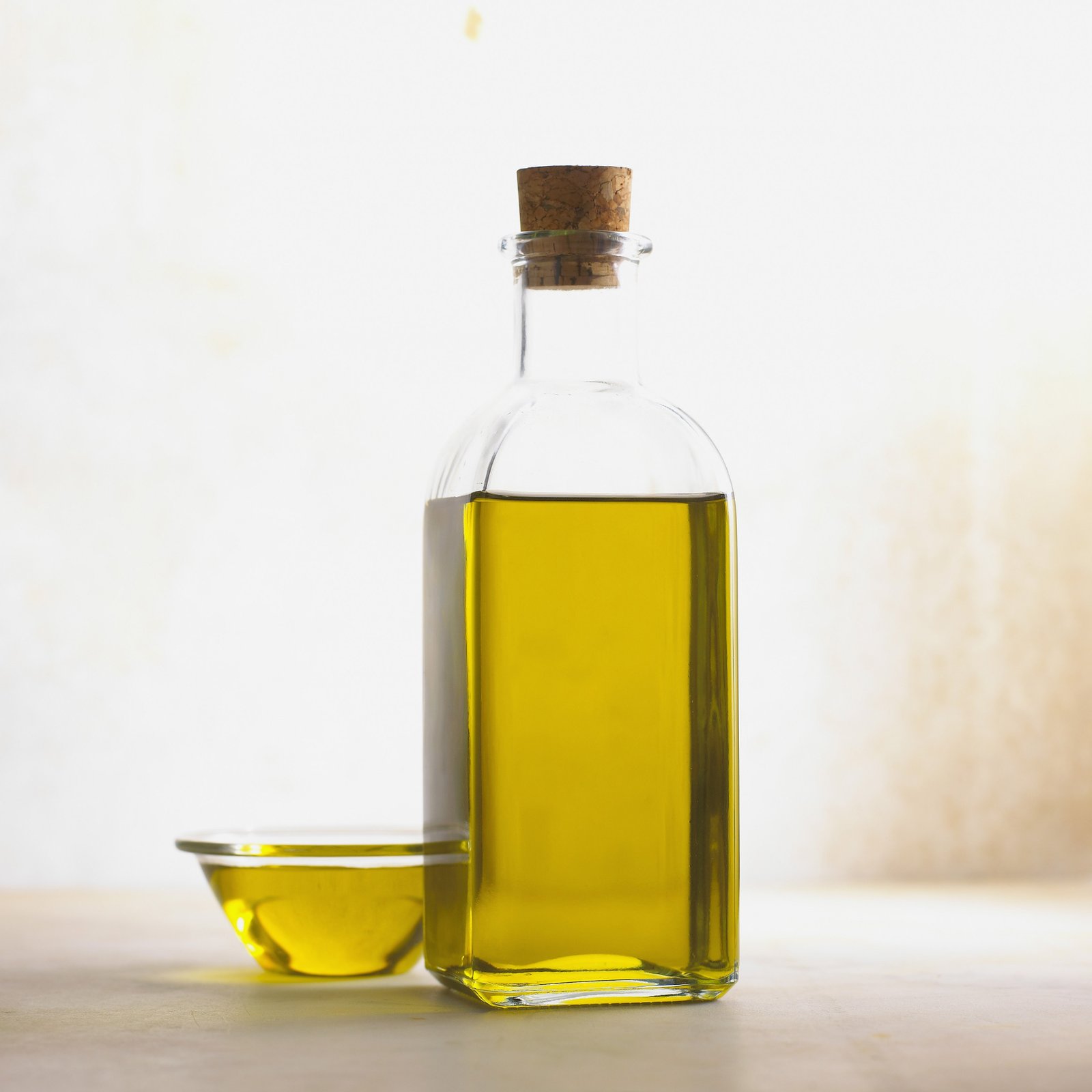
Getting cardiovascular benefits from daily olive oil intake does not require pouring large quantities over heavy meals. Half a tablespoon to one full tablespoon per day—roughly 7 to 15 milliliters—is enough when it directly replaces butter on toast, creamy salad dressings, or solid cooking fats. Keeping total caloric balance in mind ensures that added healthy fats support weight stability.
For cold dishes such as raw vegetable salads, steamed greens, or grain bowls, unrefined extra virgin varieties deliver the highest concentration of intact polyphenols. You can also rotate cold-pressed rapeseed, walnut, or flaxseed oils in cold dressings to balance omega-9 intake with essential omega-3 fatty acids. Variety across plant oils prevents nutritional gaps while keeping flavors fresh.
Selecting and Storing Oil to Preserve Nutritional Quality
Heat, oxygen, and direct kitchen lighting gradually degrade antioxidant polyphenols long before a bottle reaches its printed expiration date. Choosing oil packaged in dark green glass or opaque metal tins shields sensitive compounds from ultraviolet light on grocery shelves and home counters. Storing the tightly capped bottle in a cool cabinet away from the stove preserves both its peppery aroma and its vascular benefits.
While extra virgin olive oil tolerates gentle sautéing and oven roasting at moderate temperatures, deep frying requires oils bred for higher thermal stability, such as high-oleic sunflower or rapeseed oil. Avoiding smoking pans prevents the breakdown of beneficial fatty acids. Consistent swaps in daily meal preparation turn a staple pantry ingredient into reliable long-term support for your arteries.