By Ethan Brooks
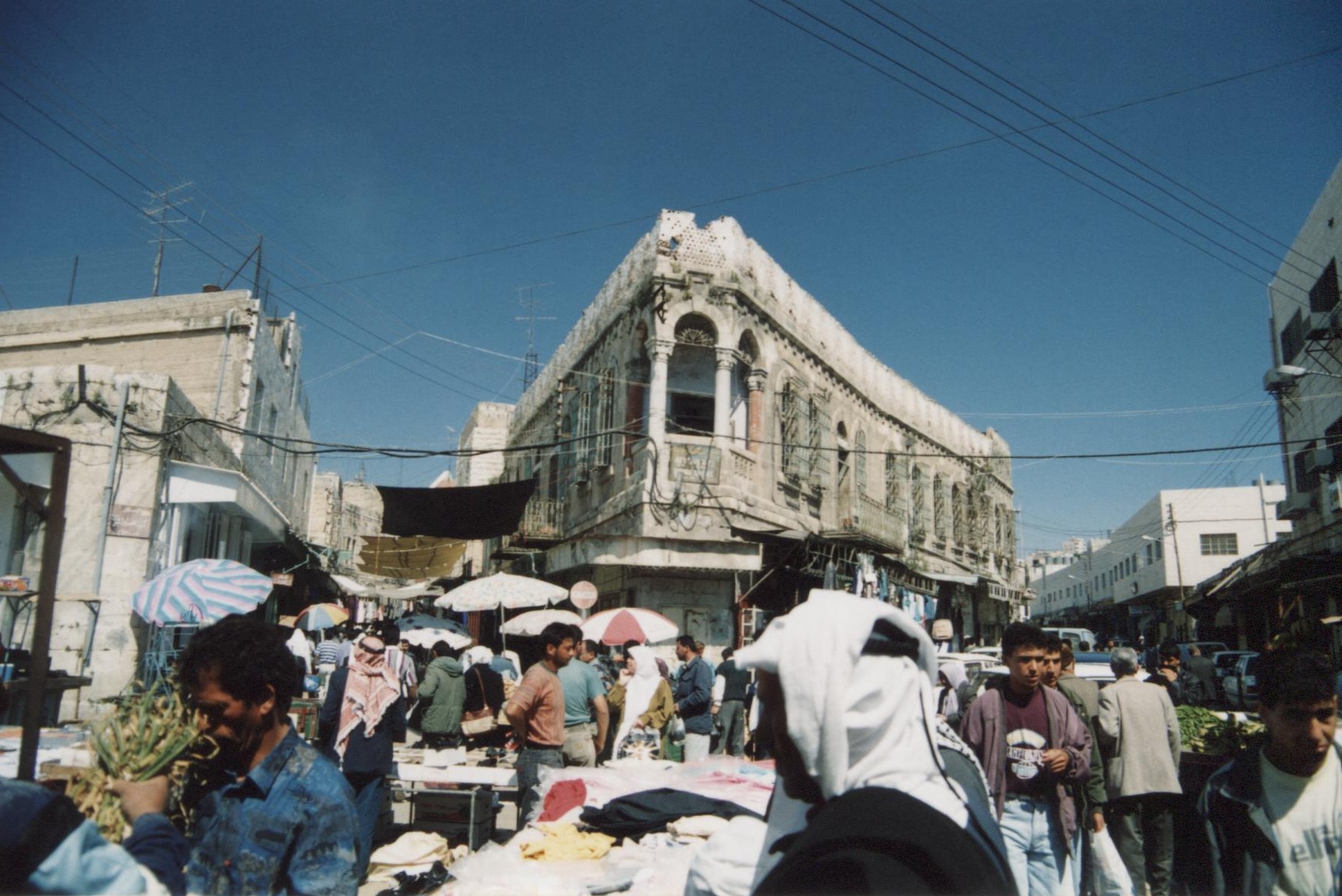
Thousands of displaced Palestinian residents returned to heavily damaged homes and neighborhoods in Hebron during the first week of November 2026 after Israeli military forces ended a 10-day siege of the southern West Bank city. Municipal officials and relief committees reported widespread structural destruction and more than $20 million in cumulative economic losses.
Ten-Day Lockdown Across Ten City Entrances
The military operation began on October 23, 2026, after a shooting attack near the city killed two Israeli soldiers and wounded three others, prompting Prime Minister Benjamin Netanyahu and Defense Minister Israel Katz to order a full lockdown ahead of Israel’s October 27 general election. Forces sealed 10 key entrances located between 2.4 and 7.6 kilometers from the center—including Halhul, Nabi Yunus, Ras al-Jora, Beit Einun, Bir al-Mahjar, Jabal Juhar, al-Fahs, Qalqas, al-Harayiq, and Dura—cutting off a city of 250,000 residents within a governorate of 800,000 people.
During the 10-day closure, which ended when troops withdrew at 6:00 a.m. local time on November 2, soldiers converted residential buildings in the al-Jalda, Ein Deir Bahha, and Shubat al-Malh neighborhoods into temporary military outposts. Immediate night evictions forced 537 families—more than 3,300 people—out of their apartments with only five to 20 minutes to gather identity papers and essential medication.
Across the wider cordon, municipal relief data documented 780 displaced families totaling 4,969 residents, including 441 elderly citizens, 336 infants under age two, 312 chronic illness patients, 44 people with disabilities, and over 200 pregnant or nursing mothers. Medical relief coordinators emphasized that displaced families sheltering in crowded relatives’ homes faced acute challenges maintaining clean daily hydration and managing stress-related physical exhaustion.
Structural Demolitions and Household Devastation
Upon returning between November 2 and November 4, families in al-Jalda and Farsh al-Hawa confronted shattered doors, overturned furniture, and bulldozed land. Orthopedic surgeon Dr. Nour al-Natsha, 35, who was given 20 minutes to evacuate his wife and two young children on October 24, returned to find his apartment ransacked after being used as a military post.
Hebron Governor Khaled Dudin and the Palestinian Prisoner’s Society reported that forces searched more than 500 buildings, detained approximately 110 Palestinians—including seven children and three women—and demolished 15 structures. In the western Farsh al-Hawa district alone, bulldozers leveled a three-apartment residential complex, a ceramics factory, and automotive shops across 7,000 square meters of land, causing 2 million shekels, or $640,000, in direct property damage.
Journalists covering Middle Eastern world news also tracked press freedom concerns during the raids, including the brief detention and release of correspondent Montaser Nassar at his home in nearby Dura on November 3.
Severe Toll on Hebron Industry and Education
As the largest industrial hub in the West Bank, Hebron suffered severe commercial paralysis throughout the siege. Chamber of Commerce Vice President Adnan al-Natsheh estimated daily commercial losses at 12 million shekels, or $3.8 million per day, pushing total economic damage past $20 million as 327 retail shops closed and output across 3,500 to 4,000 factories—including dairy, plastics, and 70 percent of Palestinian gold workshops—dropped by 40 to 60 percent.
The lockdown also shuttered five universities and kept 80,000 city schoolchildren—and 262,000 students across the wider governorate—out of classrooms for nine school days. Following the November 2 withdrawal, Mayor Youssef al-Jaabari and Palestinian Civil Defence crews deployed engineering teams to clear debris, restore water lines, and reopen schools.