By Liam Foster
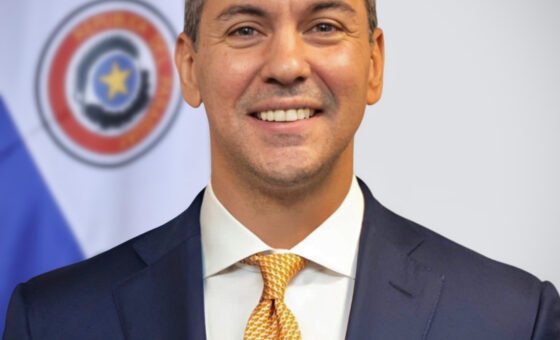
Spain transport minister resigns became the dominant political headline in Madrid on Tuesday, November 3, 2026, when Óscar Puente stepped down six days after a high-speed rail collision claimed 69 lives. Speaking after an hourslong parliamentary hearing, Puente stated he could not remain in office following two catastrophic railway accidents in less than a year.
Communication Failure on the Madrid-Seville Line
The tragedy occurred on Wednesday, October 28, between the towns of Mora and Orgaz in Toledo province, south of Madrid. According to preliminary findings presented to lawmakers, a state-operated Renfe high-speed train slammed into the rear of a stationary high-speed train operated by private carrier Iryo that had halted on the tracks.
Investigators traced the chain of events to a sudden failure in the automated communication network that supports the safety signaling system along the busy Madrid-Seville corridor. When the primary link went down, central traffic controllers in Madrid assumed manual oversight and cleared the Renfe train to proceed despite the stalled Iryo passenger train on the same track ahead.
Puente told legislators that he had privately decided to resign immediately after learning the scale of the October 28 disaster. However, he delayed his public announcement for six days to oversee initial emergency responses and compile technical testimony for parliament.
Second Deadly High-Speed Rail Crash in 2026
The October collision shocked a nation that has long regarded its high-speed rail network—the second-largest in the world after China’s—as a premier engineering achievement. For more than three decades after its inauguration, Spain’s high-speed system operated without a single fatal collision on its dedicated tracks.
That safety record was shattered in January 2026 on a section of the same Madrid-Seville route located more than two hours farther south. In that earlier disaster, a high-speed train derailed and struck an oncoming train traveling in the opposite direction, killing 46 people in an incident that remains under official investigation.
Addressing deputies in Madrid, Puente emphasized that political accountability was essential after two accidents of such severity within ten months. The twin disasters have dominated World News coverage of European infrastructure and ignited intense public debate just four weeks before Spain holds a national general election.
Emergency Rail Safety Reforms Announced
Hours before stepping down on Tuesday, Puente unveiled a package of urgent safety reforms intended to modernize railway oversight and prevent future signaling breakdowns. The government pledged immediate upgrades to working conditions, staffing protocols, and backup communication hardware inside central rail traffic control centers.
Additionally, the Ministry of Transport ordered an accelerated rollout of the standardized European Rail Traffic Management System across older high-speed corridors. The advanced European signaling technology automatically brakes trains if operators or dispatchers miss track occupancy warnings, eliminating reliance on manual voice authorizations during communication outages.
Judicial authorities and railway safety engineers continue to examine black box data recorders and dispatch logs from both the Madrid control center and the two wrecked trains. Meanwhile, families of the 69 victims have called for an independent parliamentary inquiry into maintenance budgets along the Madrid-Seville line. Prime Minister Pedro Sánchez’s administration is expected to name an interim transport minister later this week to oversee the emergency safety audits and restore public confidence in the national railway system.