By Daniel Hayes
Public health officials in Washington state have confirmed that an adult resident died from severe complications caused by H5N1 avian influenza after direct exposure to infected livestock, prompting expanded viral surveillance and protective equipment distributions across agricultural facilities in the Pacific Northwest.
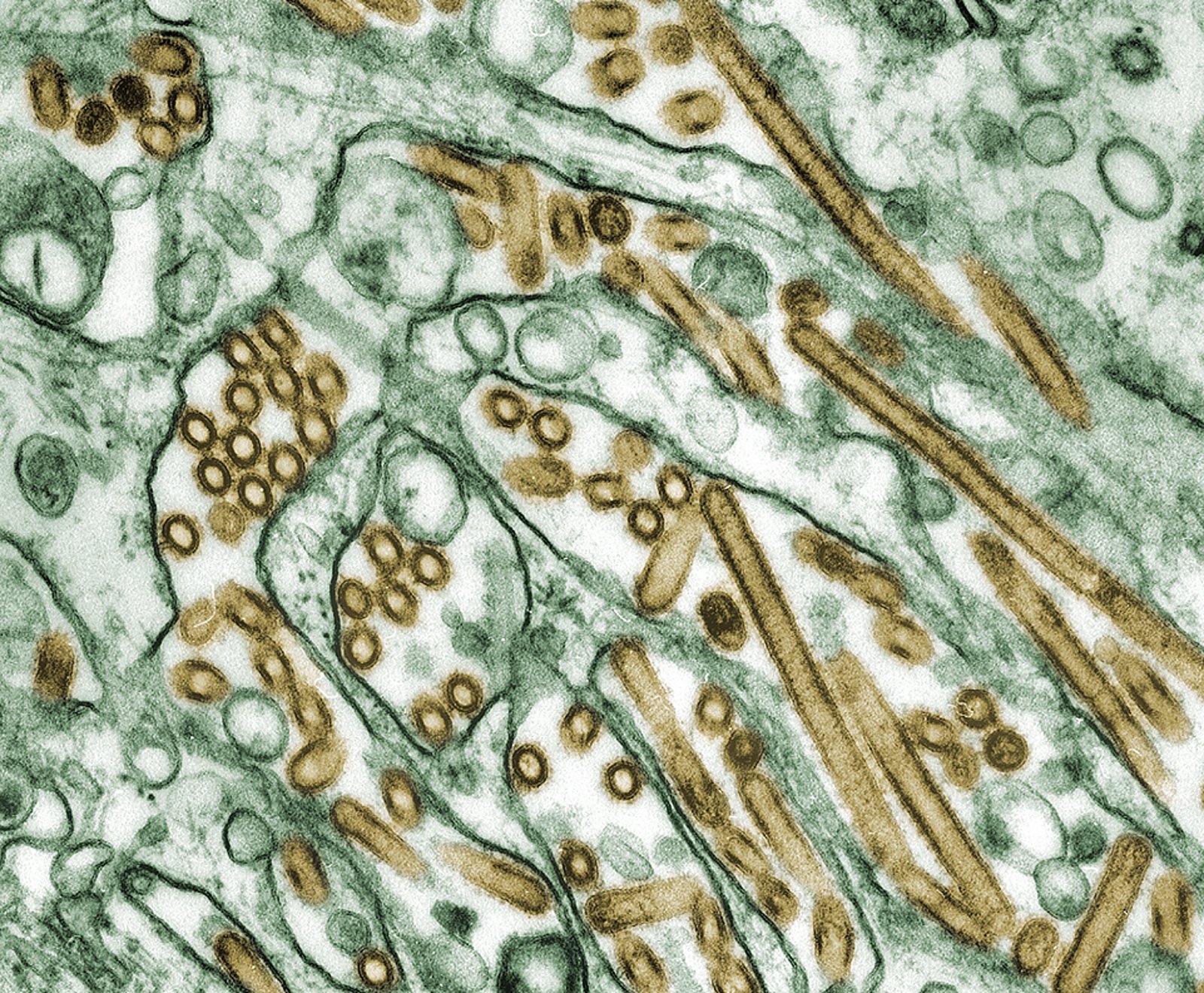
According to the Washington State Department of Health, the patient developed acute respiratory symptoms following close contact with infected animals and was admitted to a regional hospital intensive care unit. Laboratory testing conducted by the state public health lab and confirmed by federal virologists identified the H5N1 strain currently circulating in poultry flocks and dairy cattle.
Epidemiologists who traced and tested dozens of household members, farm coworkers, and hospital staff who cared for the patient reported that zero close contacts tested positive for the virus. Health officials emphasized that there is no evidence of sustained person-to-person transmission and that the risk to the general public remains low.
Nevertheless, the fatal outcome underscores the danger that avian influenza poses to individuals with direct, unprotected occupational exposure to sick birds or livestock.
Genomic Sequencing and Agricultural Biosecurity
Federal and state virologists completed whole-genome sequencing of the viral sample isolated from the patient to check for mutations in the hemagglutinin surface protein that might make the virus bind more easily to human upper airway receptors. Preliminary genomic findings indicate the virus remained primarily adapted to avian and bovine hosts, with no markers of antiviral drug resistance.
Infectious disease monitoring and public health developments across the country are covered regularly in our U.S. News section. Earlier this season, public health authorities in the Northeast also issued urgent immunization reminders after New York reported its first child measles death in 30 years, while international legal disputes over pandemic origins resurfaced when a Chinese court heard a COVID defamation suit against Missouri.
State agriculture inspectors have quarantined the affected livestock premises and tightened testing requirements for animals transported across county lines.
Protective Gear and Antiviral Access for Farmworkers
In response to the Washington state bird flu death, county health departments have deployed mobile outreach vans to rural dairy and poultry communities to distribute free N95 respirators, sealed eye goggles, nitrile gloves, and waterproof aprons. Medical officers noted that splash exposure to raw milk or respiratory droplets in enclosed barns is a primary route of transmission to farmworkers.
Clinicians across Washington have been instructed to initiate oral oseltamivir antiviral treatment immediately for any agricultural worker presenting with conjunctivitis, fever, or cough following animal contact, without waiting for confirmatory laboratory PCR results.
Veterinary extension specialists are also assisting family farms across the state with disinfecting milking parlors, screening migratory waterfowl ponds near pastures, and isolating newly purchased livestock for fourteen days before introducing them into main herds.
Bilingual community health workers have partnered with rural clinics across central and eastern Washington to host evening informational sessions so farmworkers know how to access free testing and paid medical isolation leave without fear of workplace retaliation.
Food safety agencies reiterated that commercial pasteurized milk and properly cooked poultry and beef products remain completely safe for consumers, as standard pasteurization and cooking temperatures inactivate the H5N1 virus.