By Marcus Lee
As torrential floodwaters finally recede across New Mexico and neighboring communities in the American Southwest, residents and emergency crews are confronting a devastating landscape of knee-deep mud, washed-out bridges, and shattered homes left behind by record-breaking autumn rainstorms across the region.
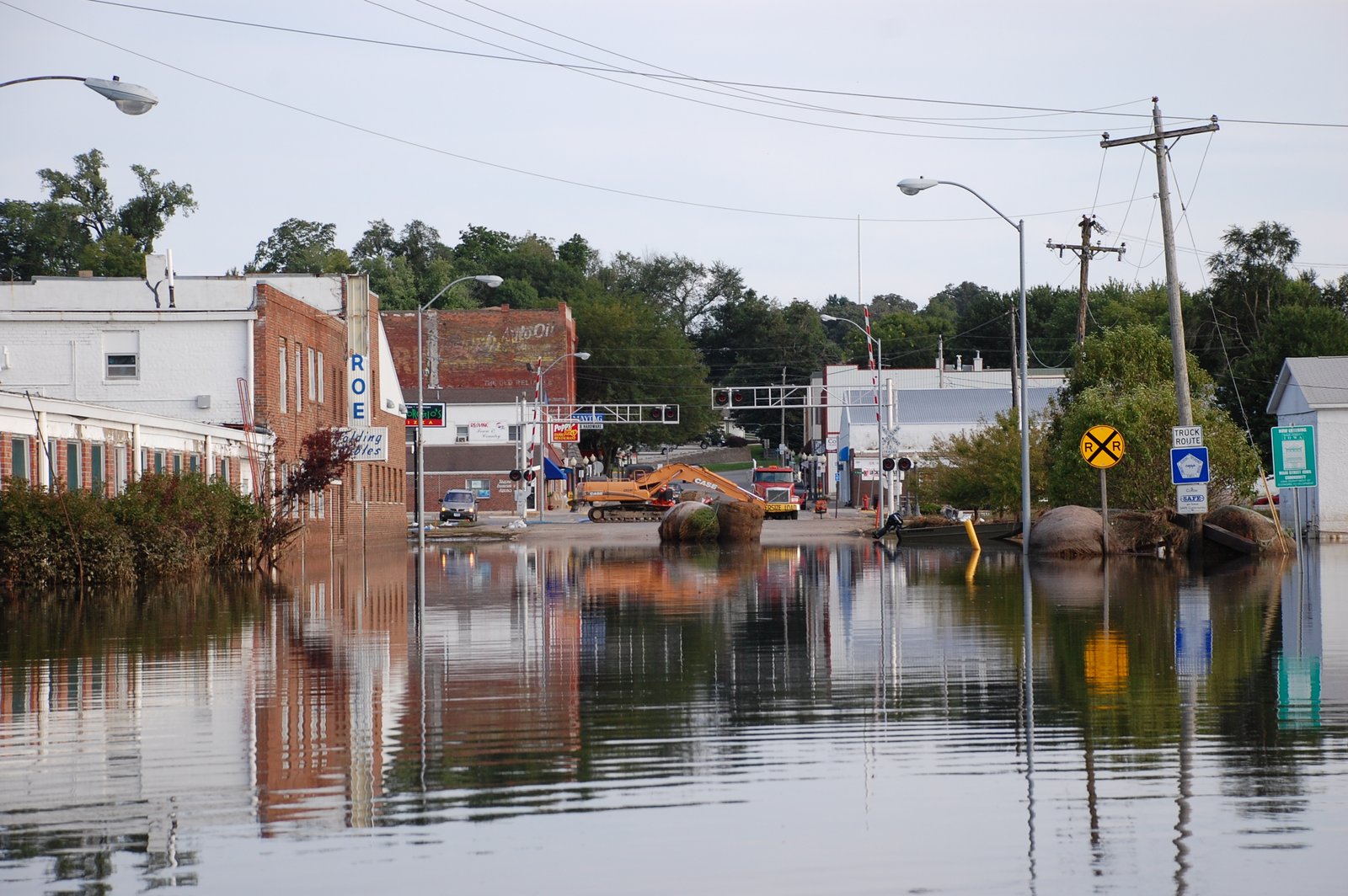
Days of relentless downpours overwhelmed arid desert arroyos, drainage canals, and riverbanks that had been baked hard by months of drought. When several inches of rain fell within a matter of hours, walls of muddy water surged through low-lying residential subdivisions, sweeping away parked vehicles, snapping utility poles, and filling ground-floor living rooms with heavy silt.
National Guard troops and municipal public works crews spent Tuesday operating front-end loaders and vacuum trucks to clear blocked culverts and reopen vital highway links to isolated towns. Hundreds of displaced residents remain housed in emergency Red Cross shelters and community gymnasiums while structural engineers inspect damaged foundations.
State emergency management directors have formally requested federal disaster declarations to unlock individual homeowner assistance grants and low-interest reconstruction loans.
Burn Scars and Arid Soil Amplify Flash Flood Destruction
Hydrologists explained that the severity of the mudslides was compounded by hillside burn scars left behind by recent wildfire seasons across New Mexico and Arizona. Stripped of deep-rooted pine trees and brush, charred mountain slopes cannot absorb rapid rainfall, turning steep canyons into high-velocity chutes of water, boulders, and ash.
Severe flooding emergencies have battered multiple regions of the country this year, as documented in our U.S. News and national disaster reporting when deadly Florida flash floods forced hundreds of rescues along the Gulf and Atlantic coasts.
Water utility operators in three affected Southwestern counties issued mandatory boil-water advisories after raging floodwaters cracked underground main lines and inundated municipal wellheads with sediment.
Long-Term Infrastructure Repair and Mold Hazards
Public health teams are distributing tetanus vaccines, heavy-duty shovels, and respirator masks to homeowners returning to muck out flooded basements and garages. Environmental specialists warned that once desert sun bakes the receding silt, dried mud contaminated with sewage and agricultural runoff can become airborne dust if not removed promptly.
Volunteer disaster relief organizations have deployed mobile laundry trailers, hot meal kitchens, and chainsaw teams across the hardest-hit river valleys to assist elderly and low-income residents who lack flood insurance coverage.
County agricultural extension agents are also assessing losses across irrigated pecan orchards, alfalfa fields, and livestock pastures along the river bottoms, where thick layers of compacted river silt buried diversion headgates and damaged harvest equipment.
Federal hydrologists and civil engineers have begun aerial lidar mapping of the eroded canyon channels to identify unstable earthen embankments that require immediate rock riprap reinforcement before late-autumn storms return to the region.
Regional utility coalitions have brought in portable water filtration units and high-capacity diesel generators from neighboring states to keep rural medical clinics, schools, and emergency dispatch centers operating while permanent underground water and power lines are rebuilt.
Municipal soil conservation districts are also supplying free native grass seed mixes and erosion-control straw wattles to hillside property owners attempting to stabilize saturated slopes before freezing winter nights arrive.
With the US Southwest floodwaters mud cleanup expected to stretch across several months, state transportation engineers are designing reinforced concrete retention basins below mountain burn scars to protect valley towns before winter precipitation arrives.