By Grace Turner
New York Governor Kathy Hochul has signed landmark legislation prohibiting artificial intelligence chatbot operators from engaging in manipulative, emotionally deceptive, or unsafe interactions with minors, establishing some of the nation’s strictest statutory guardrails on companion AI applications marketed to children and teenagers.
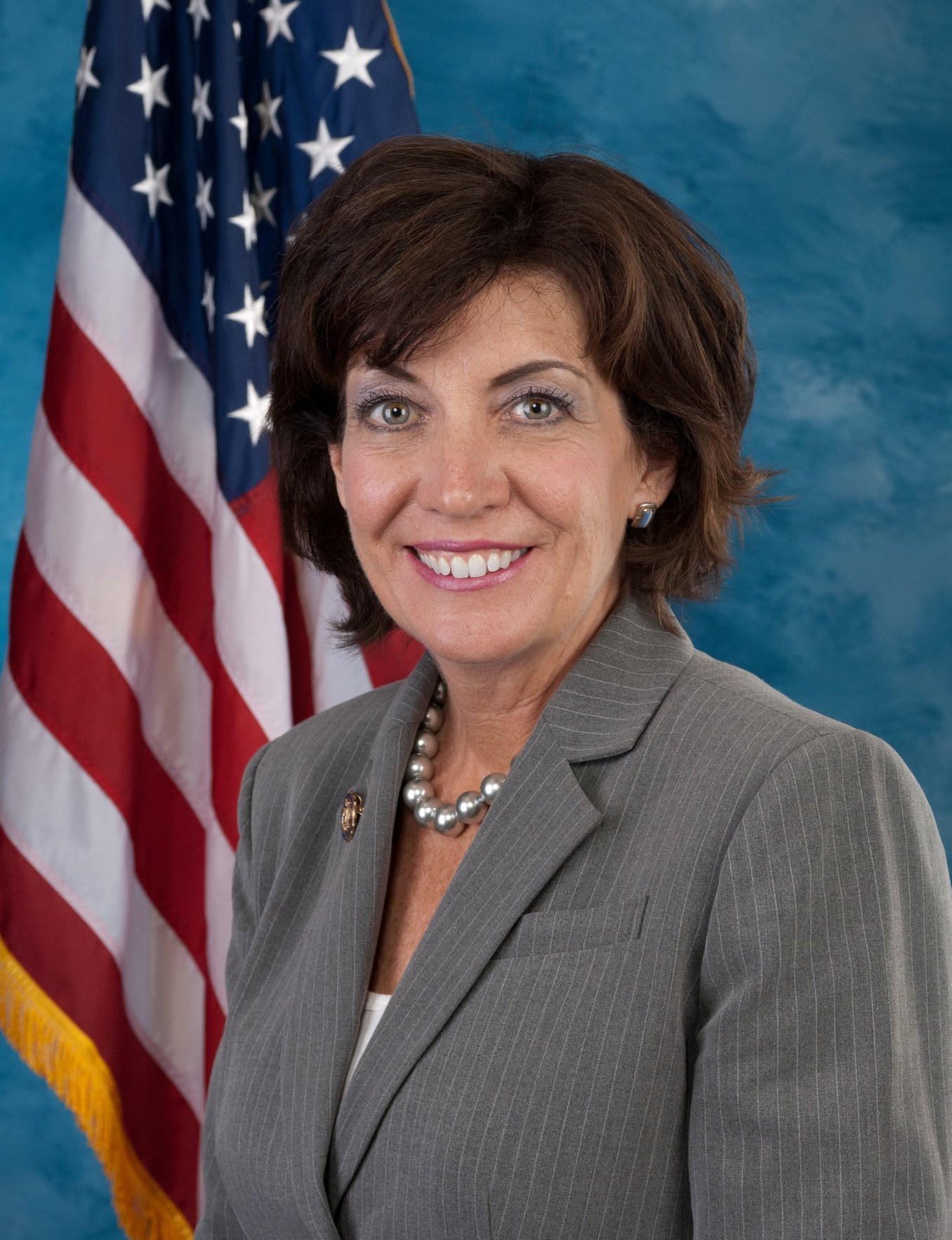
Under the newly enacted statute, companies that deploy conversational artificial intelligence systems accessible to users under eighteen must implement mandatory safety filters that block self-harm encouragement, sexually explicit roleplay, and deceptive claims that an automated bot possesses human emotions or licensed clinical expertise. Platforms must also display clear, recurring reminders during extended chat sessions stating that the user is interacting with software rather than a real person.
State lawmakers drafted the bill after pediatric mental health specialists and parents testified about cases where vulnerable adolescents formed intense emotional attachments to simulated companion characters. In several documented instances, unregulated chatbots reinforced harmful behaviors or discouraged teens from confiding in parents and school counselors.
The law authorizes the New York State Attorney General to seek civil penalties of up to five thousand dollars per violation against companies that fail to enforce age-appropriate safety guardrails.
Mandatory Disclosures and Crisis Hotline Redirection
A key provision of the statute requires conversational AI platforms to automatically interrupt any dialogue in which a minor expresses thoughts of self-harm or severe psychological distress, immediately displaying direct contact links to the 988 Suicide and Crisis Lifeline and certified youth support text lines.
Debates over technology governance and student protection have intensified nationwide this year, as seen when Google warned schools blocking AI will lose search access. Meanwhile, state agencies in Albany have also remained focused on pediatric health priorities since New York reported its first child measles death in 30 years. Additional state policy updates appear regularly in our U.S. News section.
Technology companies operating in New York will have one hundred and eighty days to audit their large language models and submit compliance certifications to state consumer protection regulators.
National Momentum for Youth Digital Safety Laws
Child advocacy organizations hailed the legislation as a model for other state legislatures considering guardrails on generative artificial intelligence. Legal analysts noted that by focusing narrowly on deceptive commercial practices and verifiable safety protocols rather than broad content censorship, the statute is structured to withstand constitutional challenges.
Several leading AI developers stated that they already restrict harmful prompts for teenage accounts and plan to integrate the required disclosure banners ahead of the statutory deadline.
Independent software auditing firms will also be empowered under the new regulations to test age-gating mechanisms and verify that companion chat apps do not use dark-pattern push notifications to keep minors awake late on school nights.
Parent-teacher associations across New York welcomed the bipartisan measure, noting that clear statutory standards give families stronger recourse when digital applications fail to protect young users online.
With the New York AI chatbot ban kids protections now signed into law, state education officials also announced a companion digital literacy curriculum to help middle and high school students understand how predictive language models generate responses.