By Ava Bennett
Medical laboratory operator Quest Diagnostics disclosed in a federal regulatory filing on Thursday, October 22, 2026, that a Quest Diagnostics cyber breach compromised an online test-ordering platform and exposed certain patient records. The New Jersey-based healthcare company said it detected the intrusion on Wednesday, October 21, and immediately notified federal law enforcement agencies.
Unauthorized Access to Quanum Ordering Platform
According to the company’s Thursday regulatory disclosure, unauthorized actors gained access to the Quanum Lab Services Manager, a specialized digital portal used by healthcare clients to submit laboratory test orders and retrieve diagnostic results. Company officials stated they believe certain patient records were accessed during the intrusion, though the exact number of affected individuals remains under investigation.
To contain the incident and determine what specific medical or personal data was viewed, Quest Diagnostics brought in external cybersecurity forensics specialists to assist its internal response team. The diagnostic provider has not yet disclosed how the intruders bypassed security controls on the Quanum platform or whether any laboratory testing operations were delayed.
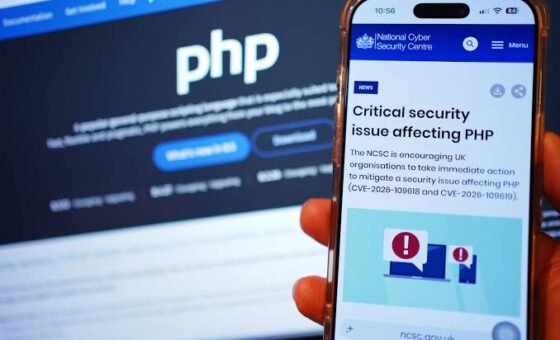
The disclosure arrived during a turbulent week for global Technology and cybersecurity teams following the discovery of critical vulnerabilities in the PHP programming language used by 70% of websites worldwide. However, Quest Diagnostics confirmed on Thursday that its internal investigation determined the Quanum laboratory breach was completely unrelated to the widespread PHP software flaws.
History of Healthcare Data Exposures
The October 2026 intrusion is not the first time patient information linked to the clinical laboratory giant has been caught up in a digital security incident. In 2016, the company reported that an unauthorized party broke into a mobile application database and exposed laboratory test results, names, dates of birth, and phone numbers belonging to approximately 34,000 patients.
A far larger third-party exposure followed in 2019, when hackers infiltrated the network of American Medical Collection Agency, an outside billing and collections vendor used by major diagnostic laboratories. That vendor breach compromised personal, financial, and medical billing data belonging to roughly 11.9 million Quest Diagnostics patients, prompting widespread regulatory scrutiny across the healthcare sector.
Medical testing networks remain prime targets for cybercriminals because diagnostic portals house sensitive personal identifiers alongside clinical histories and insurance details. Security analysts consistently warn that third-party client portals and legacy ordering interfaces expand the digital attack surface that healthcare providers must defend around the clock.
Rising Wave of Cross-Industry Cyber Intrusions
The incident at Quest Diagnostics adds to a growing wave of cyberattacks that have disrupted healthcare organizations, educational platforms, and retail chains throughout autumn 2026. Only weeks earlier, separate breaches exposed millions of student financial aid records and forced hospitals to divert emergency patients while technicians rebuilt compromised clinical networks.
Federal investigators and private forensic teams are continuing to audit access logs on the Quanum Lab Services Manager to identify every patient and healthcare provider impacted by the October 21 intrusion. Alongside reviewing system authentication records, security specialists are verifying whether any diagnostic data was copied outside the company’s network.
Under federal healthcare privacy regulations, the company will be required to formally notify affected patients and state regulators once the forensic review establishes whose records were compromised. Healthcare security officials advise patients who use online diagnostic portals to monitor their medical statements and update account credentials regularly.