By Marcus Lee
The United States economy expanded at a robust 3.4% annualized pace in the third quarter, driven by a massive surge in corporate artificial intelligence spending, even as households grapple with record fuel prices and the Federal Reserve keeps benchmark interest rates elevated to contain persistent inflation.
Artificial Intelligence Investment Powers Economic Expansion
Data released by the U.S. Commerce Department showed that US Q3 GDP growth accelerated past the pace recorded in the previous two quarters, propelled largely by multibillion-dollar corporate capital expenditures on cloud data centers, semiconductor infrastructure, and enterprise artificial intelligence systems. Business equipment and software investment offset slower momentum in interest-sensitive sectors such as residential housing construction.
However, the rapid pace of artificial intelligence capital spending also triggered sharp volatility on Wall Street when quarterly corporate revenues failed to match lofty investor expectations. Shares of Google parent company Alphabet tumbled after top-line revenue fell short of analyst forecasts, wiping out nearly $500 billion in market capitalization in a single trading session and pulling the Dow Jones Industrial Average, S&P 500, and Nasdaq Composite lower.
Market strategists noted that institutional investors are increasingly scrutinizing whether massive corporate outlays on artificial intelligence hardware and power capacity will generate near-term earnings growth sufficient to justify historic valuations across the technology sector.
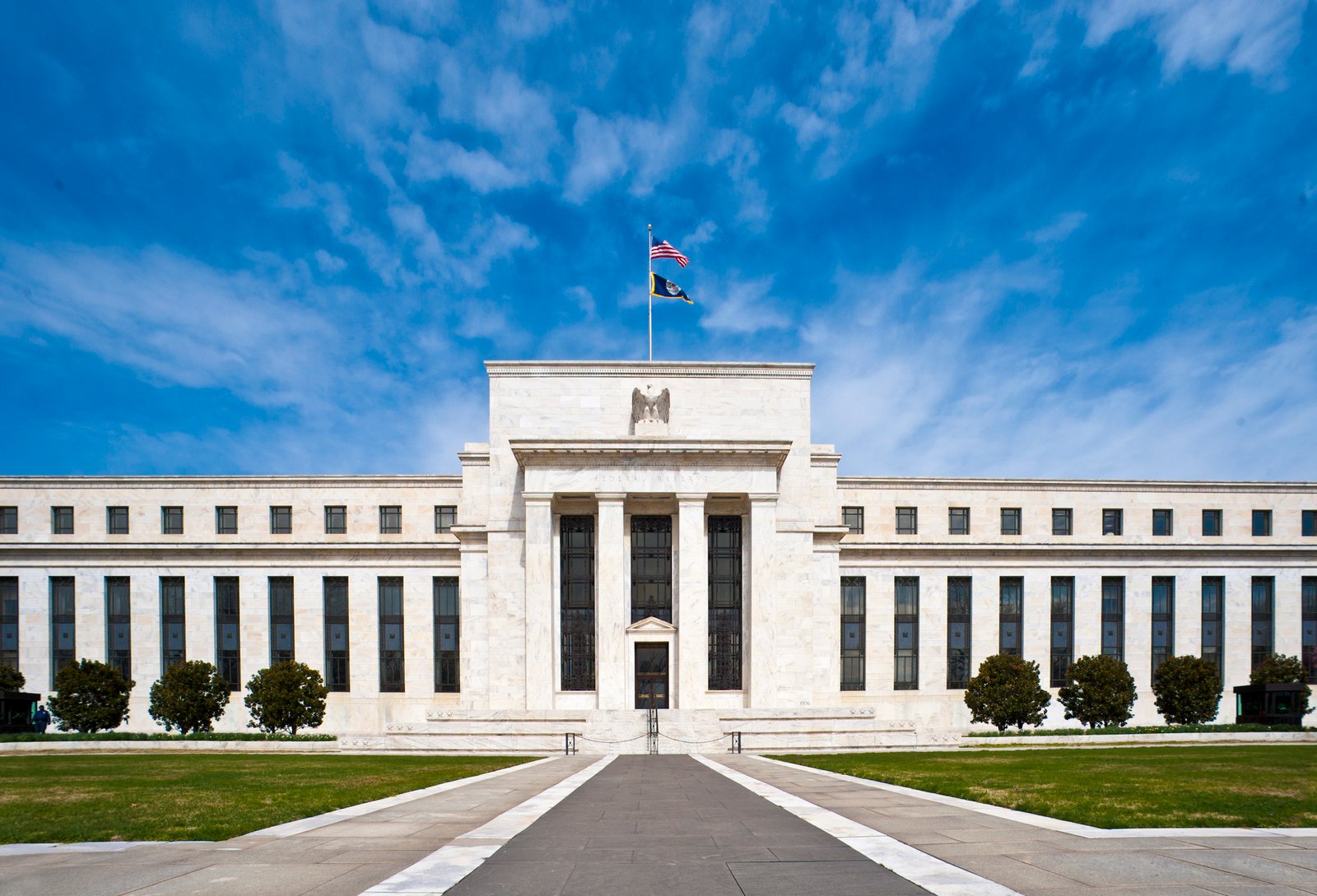
Federal Reserve Holds Benchmark Rate After September Hike
The strong third-quarter output figures arrived alongside the Federal Reserve’s October 28 monetary policy decision, in which the Federal Open Market Committee voted 10–2 to maintain the federal funds target range at 3.75% to 4.00%. That pause followed a unanimous 12–0 vote on September 16, 2026, when central bank policymakers raised rates by 25 basis points in their first rate hike since 2023 after an unexpectedly hot September inflation report.
Major international central banks remain similarly focused on stubborn price pressures across advanced economies. On November 3, the Reserve Bank of Australia voted 6–3 to lift its cash rate target by 25 basis points to 4.85%—its fifth rate increase of 2026 and the highest level since 2008—after projecting headline inflation to peak at 4.5% in December, while the Reserve Bank of New Zealand held its benchmark rate at 2.75% in a narrow 4–3 vote.
Bond market traders have priced in a significant probability that U.S. policymakers could consider another quarter-point adjustment in December if core service prices remain above the central bank’s target range.
Record Fuel Prices Weigh on American Households
Despite the 3.4% headline expansion in gross domestic product, consumer sentiment across the United States remains strained by elevated grocery bills, borrowing costs, and surging energy prices linked to ongoing geopolitical conflict in the Middle East. National fuel tracking data this week showed regular unleaded gasoline averaging $4.14 per gallon and diesel reaching $6.29 per gallon, hitting agricultural producers and freight carriers particularly hard.
In national surveys conducted this week, 79% of respondents reported that inflation has caused their households moderate or severe financial hardship, while three-quarters rated overall economic conditions negatively. Readers following macroeconomic updates in our Breaking News section will watch closely as the Federal Reserve evaluates fourth-quarter labor and price data ahead of its December policy meeting.